What Is Periodontal Disease and How Is It Treated?
Gums bleeding when you brush? Noticed a bit more space between your teeth lately? You might be wondering if that's something to worry about or just a passing thing. Here's the thing: it depends entirely on where things stand for you specifically. Which stage are you at? And which treatment path actually fits your situation? Periodontal disease isn't one fixed condition with a single treatment that works for everyone. It sits on a spectrum. Knowing where you land on that spectrum changes everything about what happens next.
This blog walks through what periodontal disease actually is, how it progresses, and how to think through the decision points at each stage. That way you've got a clearer sense of what to expect, whether you're dealing with it now or just trying to avoid it altogether.
What Periodontal Disease Actually Is
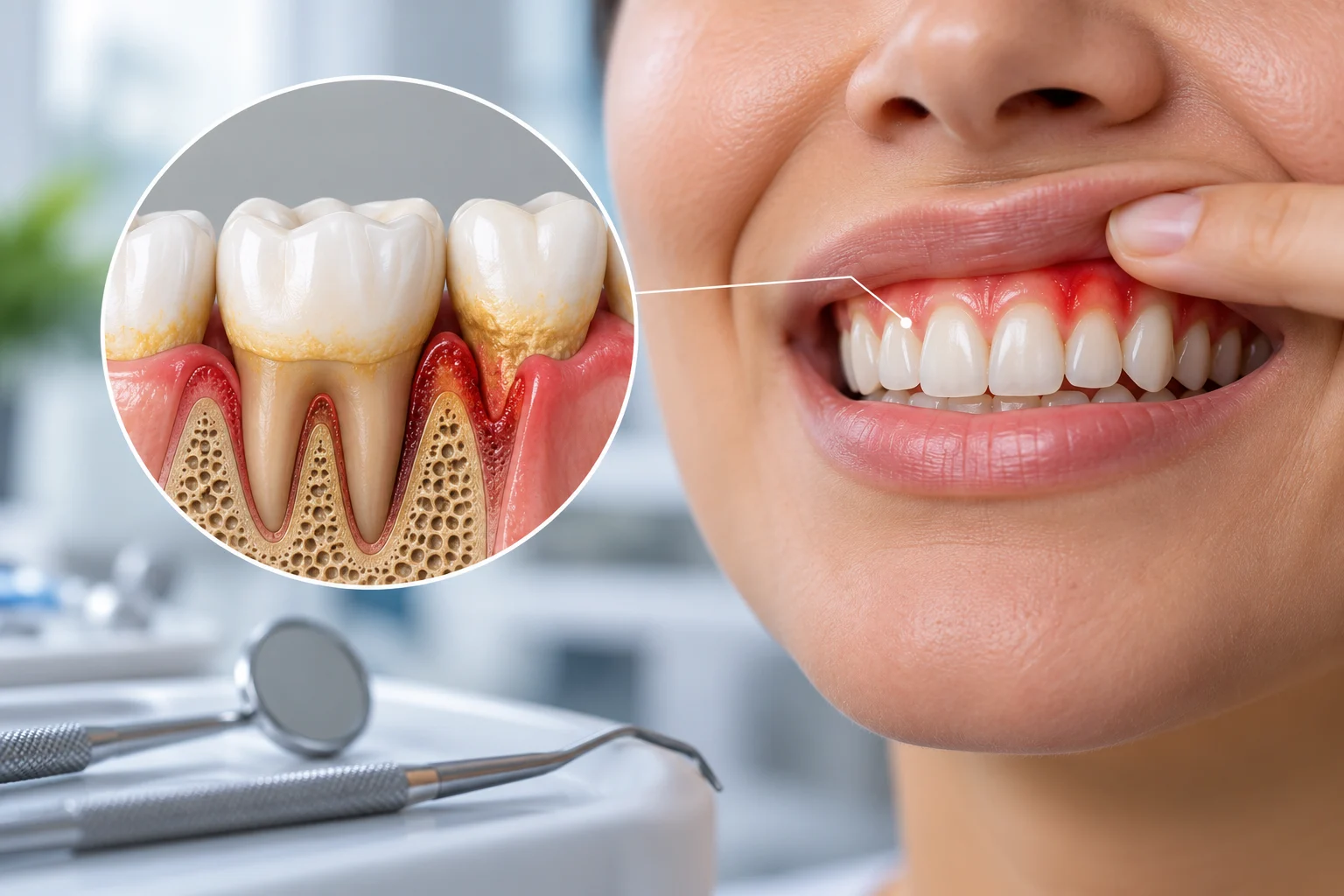
Periodontal disease, often called gum disease, is an infection and inflammation of the tissues that support your teeth. That means your gums, the ligaments, and the bone underneath. It usually starts with plaque, a sticky film of bacteria that builds up on your teeth. Left alone, plaque hardens into tartar (also called calculus), and once that happens, brushing alone won't shift it.
It develops in stages. Understanding which stage you're in matters, because the right treatment really does hinge on that.
Gingivitis: The Early, Reversible Stage
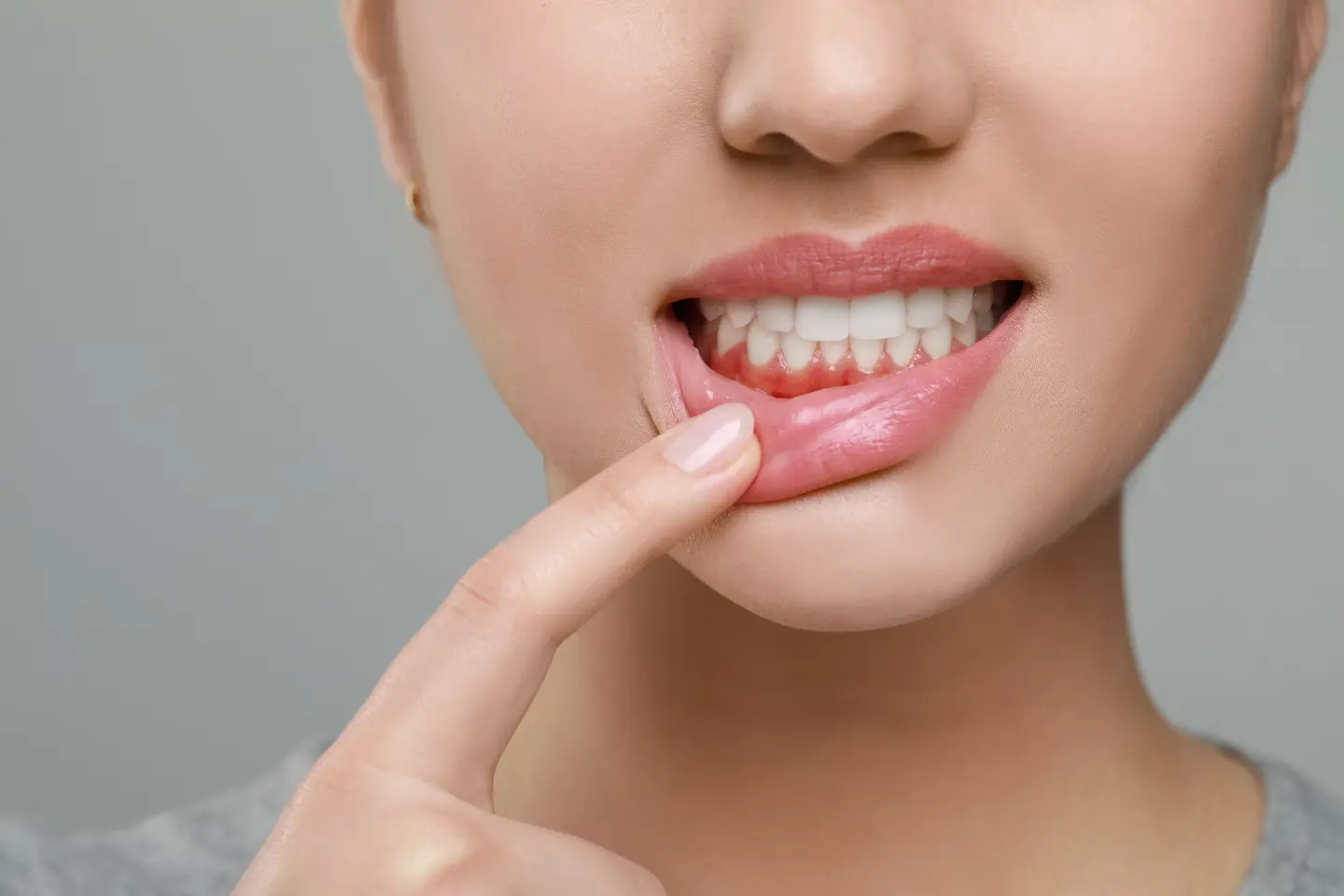
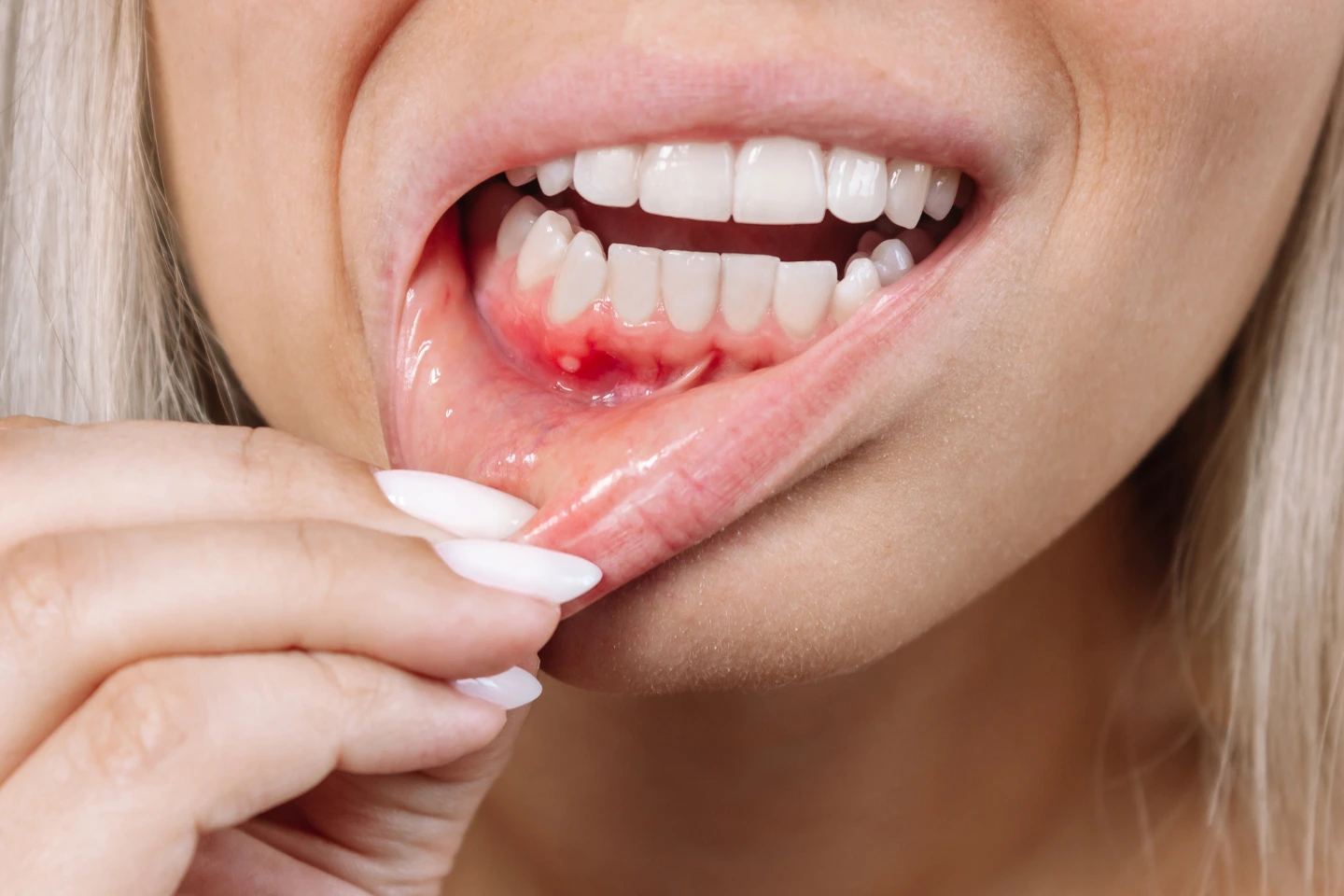
Gingivitis is inflammation limited to the gums. You might notice redness, swelling, or bleeding when you brush or floss. The bone and supporting structures haven't been damaged yet at this stage. That's an important distinction, because it means gingivitis can usually be reversed with better oral hygiene and a professional clean. If you're curious how far that reversal goes, this guide on whether gum disease can be reversed explains it in more detail.
Periodontitis: When It Progresses Further
Left untreated, gingivitis can progress to periodontitis, where the inflammation spreads deeper and starts affecting the bone and ligaments holding your teeth in place. Pockets can form between gum and tooth. Gums may recede. Teeth can eventually loosen. Periodontitis isn't reversible in the sense of restoring lost bone, but it can be managed and stabilised with the right treatment.
This is really the crux of the "what's right for you" question. Gingivitis and periodontitis call for different levels of intervention, and even within periodontitis, how far it's spread shapes what's appropriate.
How to Work Out Which Treatment Path Fits Your Situation
There's no one-size answer here. So it helps to think through a few factors.
How Far Has It Progressed?
This is usually assessed through a periodontal examination, where a dentist measures the depth of the pockets around each tooth and checks for bleeding, bone loss (often via x-rays), and gum recession. Mild cases might only need a thorough scale and clean plus better home care. More advanced cases may need a deeper treatment called scaling and root planing, sometimes called a "deep clean," which clears plaque and tartar from below the gumline and smooths the tooth root to help gums reattach.
How Consistent Is Your Home Care?
Treatment isn't just about what happens in the chair. Gum disease is driven by bacterial buildup, so your day-to-day habits matter enormously. Struggle to keep up a consistent brushing and flossing routine? Worth being honest about that. It affects how quickly things might progress again after treatment, and how often you'll need to come back in for maintenance visits.
Are There Other Contributing Factors?
Smoking, diabetes, certain medications, even genetics. All of these can influence how gum disease develops and how well it responds to treatment. If any apply to you, it's worth putting them on the table, since they can shape not just the treatment itself but how closely you're monitored afterwards.
How Much Bone or Attachment Has Been Lost?
For more advanced periodontitis, non-surgical treatment alone may not cut it. In these cases, referral to a dentist with a special interest in periodontics might come up, along with surgical options like flap surgery or bone grafting. These aren't first-line treatments. They're considered when the less invasive approaches haven't got you to a stable result.
The Main Treatment Options Explained
Professional Cleaning and Improved Home Care
For gingivitis, this is often all that's needed. A thorough clean clears out plaque and tartar. Keep up consistent brushing (twice daily) and interdental cleaning (floss or interdental brushes), and gum health can improve within weeks.
Scaling and Root Planing
For early to moderate periodontitis, this deeper clean targets bacteria and tartar beneath the gumline. Sometimes it's done in sections, under local anaesthetic, over one or more visits depending on how much ground needs covering.
Ongoing Periodontal Maintenance
Once things are stable, periodontitis generally needs ongoing supportive care. That means more frequent hygiene visits than someone with no history of gum disease would need. This isn't a sign that treatment "failed." It's simply part of managing a condition that doesn't fully reverse once bone has been lost.
Surgical Options
In more advanced or stubborn cases, procedures like pocket reduction surgery or regenerative treatments might be considered. These are typically discussed after non-surgical treatment has had its shot, and the decision takes into account your overall dental and general health.
Why the Decision Shouldn't Be Made in Isolation
Periodontal disease gets influenced by so many personal factors, from smoking history to how your own body handles inflammation. Working through an examination with a dentist who knows your history gives a much clearer picture than trying to self-diagnose from symptoms alone. Bleeding gums, for instance, can mean mild gingivitis or something far more established. The appropriate next step really does depend on that distinction.
At MG Dental, people often come in after noticing bleeding gums or gum recession, unsure whether it's minor or something that needs closer attention. A periodontal assessment gives you a clear starting point. From there, the conversation is about what makes sense for your stage, your habits, your history, not a single plan applied to everyone who walks through the door. You can read more about our approach to periodontal disease management.
Ready to Get Started?
Noticed bleeding gums, sensitivity, or changes in how your teeth feel when you bite down? Worth getting it checked rather than waiting to see if it settles on its own. At our dental clinic in Singapore, MG Dental offers periodontal assessments to help you understand exactly where things stand and what your options are. Whether you're after a routine check or have specific concerns about gum health, our dentist office in Singapore is set up to talk you through it clearly. Get in touch with MG Dental to book an appointment and take that first step.
FAQs on Periodontal Disease
How do I know if I have gingivitis or periodontitis?
The main way to tell is through a periodontal examination, which measures gum pocket depths and checks for bone loss via x-ray. Bleeding, redness, and swelling can show up in both. But bone loss only happens in periodontitis, so a clinical check is really the only reliable way to know.
Can gum disease come back after treatment?
Yes, it can, particularly if plaque and tartar build up again or if contributing factors like smoking carry on. This is why ongoing maintenance visits are usually recommended for anyone who's had periodontitis.
Is deep cleaning painful?
Scaling and root planing is usually done with local anaesthetic to keep you comfortable, though some tenderness afterwards is common. Similar to what you might feel after a particularly thorough regular clean.
Does gum disease affect more than just my teeth?
Research has linked gum disease to other health conditions, including diabetes and cardiovascular health, though the relationship is complex and not fully one-directional. One more reason not to leave symptoms unaddressed.
How often should I have check-ups if I've had gum disease before?
This varies from person to person, but many with a history of periodontitis are seen more often than the standard six-month interval, often every three to four months, to help keep things stable.
Insights for Healthier Smiles
Explore expert tips, dental care advice, and the latest trends to keep your smile looking and feeling its best.
Request your appointment at MG Dental today.


Monday: 8 am–6 pm
Tuesday: 8 am–5 pm
Wednesday: 8 am–5 pm
Thursday: 8 am–6 pm
Friday: 8 am–5 pm
Saturday: 8 am–1 pm
Sunday: Closed


MG Dental is a modern dental clinic located at 1 Orchard Blvd, #06-9A Camden Medical, Singapore 248649, providing gentle, personalized dental care.


© 2026 MG Dental | All rights reserved | Privacy Policy | Digital Marketing by Remedo