Is Gum Bleeding Normal? When Should You See a Periodontist?
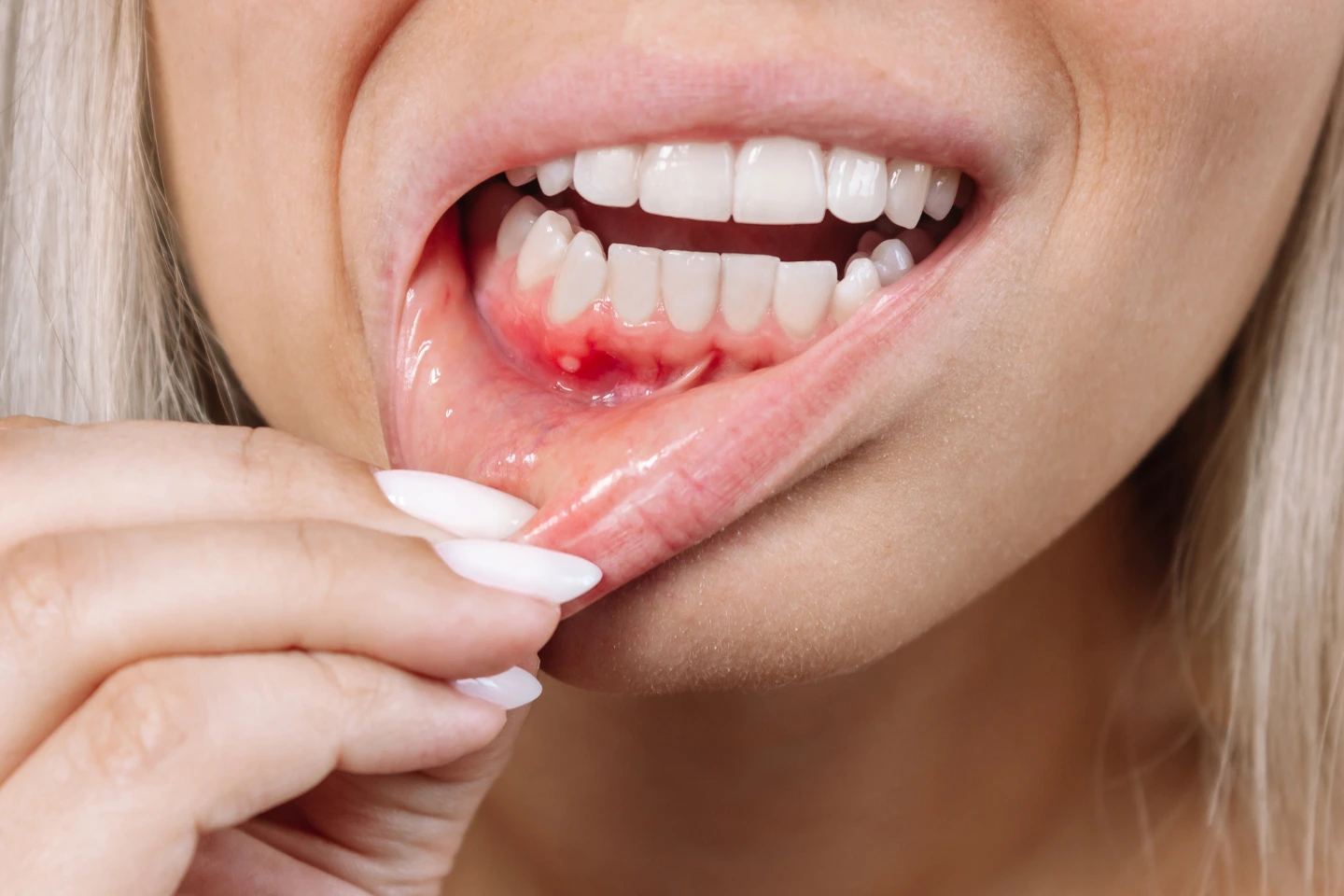
You spit after brushing and there it is. A bit of pink in the sink. The question that follows is almost always the same one: is this something to worry about, or do everyone's gums do this sometimes? Honestly, it depends. Working out which camp you fall into isn't guesswork, though. It just means looking at a handful of specific things rather than panicking or shrugging it off. This blog will help you make that call with a bit more confidence, and explain when it's time to see someone with a special interest in gum health, rather than just turning up to your regular check-up and hoping for the best.
Why Gums Bleed in the First Place
Gum tissue is soft. It's packed with blood vessels. And it sits right at the point where your teeth meet the rest of your mouth, which means it reacts fast to anything that irritates it, plaque, food debris, a new toothbrush with firmer bristles, even flossing after a long gap of not doing it. Bleeding is inflammation making itself known, plain and simple. The tissue is telling you something's aggravating it. In most mild cases, that something is plaque sitting along the gumline that hasn't been cleared properly.
Here's the thing though. Bleeding on its own doesn't tell you how serious the cause actually is. A single episode after a more vigorous flossing session is a completely different situation to gums that bleed every single day, no matter how gently you brush.
The Factors That Actually Matter
Rather than asking "is bleeding normal," it helps to ask a more specific set of questions about your own situation:
How often does it happen. Occasional bleeding, say once after you've missed flossing for a week and gone back to it, is a different picture entirely to bleeding that happens daily or with almost every brush.
How much bleeding. A trace of pink is one thing. Gums that bleed freely and take a while to stop are quite another.
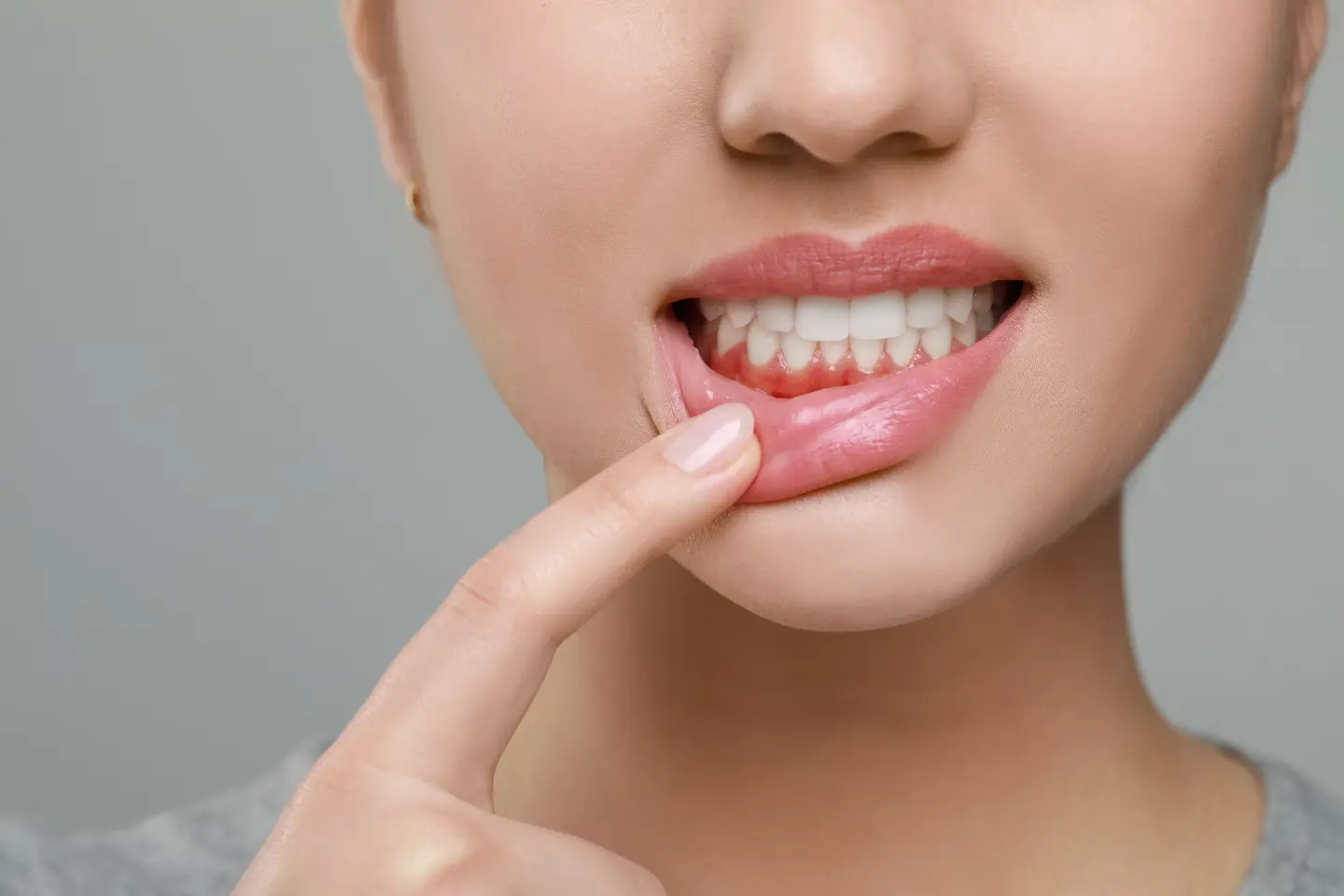
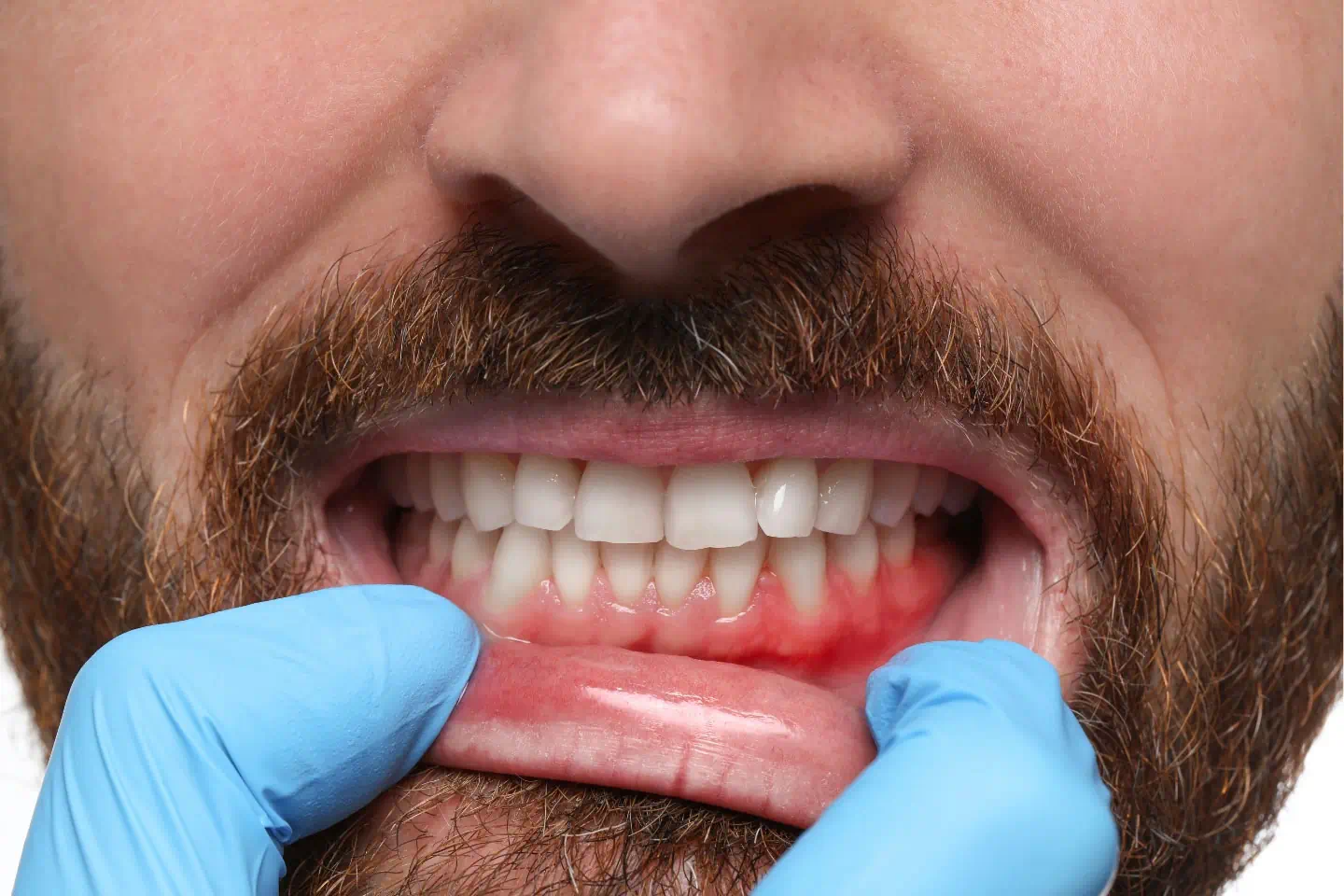
Whether anything else has changed. Are your gums swollen, tender, receding, or a darker red than usual? Is there a persistent bad taste or odour hanging around? These accompanying signs shift the picture considerably.
Whether it's improving or not. If you've tightened up your brushing and flossing over two or three weeks and the bleeding is settling down, that's a good sign the cause was mechanical irritation, nothing more sinister. If it isn't improving despite better home care, that's worth taking seriously.
Your own risk factors. Smoking, diabetes, pregnancy, certain medications, a family history of gum problems, all of these change how your gums respond and how closely you should be keeping an eye on things.
When Bleeding Points to Gum Disease
Gum disease develops in stages, and bleeding is usually one of the earliest signs of stage one, gingivitis. At this point, the inflammation is confined to the gum tissue itself. The bone underneath hasn't been touched. This is genuinely reversible with better oral hygiene and a professional clean to remove hardened plaque (known as calculus) that a toothbrush simply can't shift on its own.
Left alone, though, gingivitis can progress to periodontitis, where the inflammation starts affecting the structures that hold your teeth in place, bone included. This stage isn't reversible in the same way. It can be managed and stabilised, but the damage doesn't undo itself. Signs that things may have moved past simple gingivitis include gums that appear to be pulling away from the teeth, teeth that feel slightly loose or have shifted position, persistent bad breath that won't budge no matter how much you brush, and any pus or discharge around the gumline.
This is really the crux of it. Bleeding that responds to better home care and a routine clean is one path. Bleeding alongside these other signs, or bleeding that persists despite good hygiene, is a different path. And that's the one where seeing someone with a special interest in periodontal health stops being optional and starts being the sensible next step.
What a Periodontal Assessment Involves
If your dentist suspects the gum disease has moved past the early stage, an assessment usually involves measuring the depth of the small pocket between your gum and tooth at several points around each tooth. Healthy pockets are shallow. Deeper pockets suggest the attachment between gum and tooth has been compromised. This measurement, alongside an X-ray review in some cases, gives a far clearer picture than bleeding alone ever could. It's what allows treatment to match the actual stage of disease, rather than a guess based on symptoms alone.
Making the Decision: A Simple Way to Think About It
Still unsure whether your bleeding warrants a proper visit or just a routine check-up? Think of it in three tiers.
Tier one is occasional, mild bleeding with no other symptoms. It usually responds to a more consistent brushing and flossing routine within a couple of weeks. A routine check-up at your next scheduled visit is generally enough here.
Tier two is bleeding that's frequent but not paired with looseness, recession, or persistent odour. This is worth mentioning to your dentist sooner rather than waiting for your next routine visit, especially if it's been going on for more than a few weeks.
Tier three is bleeding alongside any of the warning signs mentioned earlier: receding gums, loose teeth, persistent bad breath, visible changes in gum colour and texture. This is where a dedicated periodontal assessment makes sense, and where earlier attention tends to make everything easier to manage.
At MG Dental, we look at your gum health as part of the wider picture. Your medical history, lifestyle factors, how your mouth has changed over time, rather than treating bleeding as some isolated complaint that popped up out of nowhere. That context is often what separates a quick fix from a plan that actually gets to the root of things.
Ready to Get Started?
If you've noticed bleeding that's lasted more than a couple of weeks, or it's shown up alongside any of the signs we've covered, get it looked at properly. Don't just wait and hope it sorts itself out. Our dental clinic in Singapore offers thorough gum assessments as part of routine care, and we'll walk you through exactly what we find and what it means for you. Get in touch with our dentist office in Singapore to arrange a visit. Our team at MG Dental, a dentist in Singapore, is happy to answer any questions before you come in too.
FAQs
Is it normal for gums to bleed a little when I floss after not flossing for a while?
Yes, fairly common. It usually settles within a week or two of consistent flossing as the gum tissue calms down. If it doesn't improve, get it checked.
Can stress or diet affect gum bleeding?
Diet, particularly one high in sugar, can feed plaque build-up, which in turn affects gum health. Stress can play a part too, by affecting how your immune system handles inflammation, though plaque control remains the main factor by far.
Does bleeding always mean I have gum disease?
No. Bleeding is a sign of inflammation, and inflammation has several possible causes: brushing technique, a new medication, hormonal changes. Gum disease is one possible cause among several, not the automatic answer.
How often should I have my gums checked?
A routine dental check-up, typically every six months, usually includes a gum health review. Noticed persistent bleeding or other symptoms? Book sooner rather than waiting it out.
Will a professional clean stop my gums bleeding?
For many people with mild gum inflammation caused by plaque build-up, a professional clean alongside better home care leads to noticeable improvement. More advanced cases may need a plan built around what's actually going on in your mouth.
Insights for Healthier Smiles
Explore expert tips, dental care advice, and the latest trends to keep your smile looking and feeling its best.
Request your appointment at MG Dental today.


Monday: 8 am–6 pm
Tuesday: 8 am–5 pm
Wednesday: 8 am–5 pm
Thursday: 8 am–6 pm
Friday: 8 am–5 pm
Saturday: 8 am–1 pm
Sunday: Closed


MG Dental is a modern dental clinic located at 1 Orchard Blvd, #06-9A Camden Medical, Singapore 248649, providing gentle, personalized dental care.


© 2026 MG Dental | All rights reserved | Privacy Policy | Digital Marketing by Remedo