What Are the Early Signs of Gum Disease I Should Not Ignore?
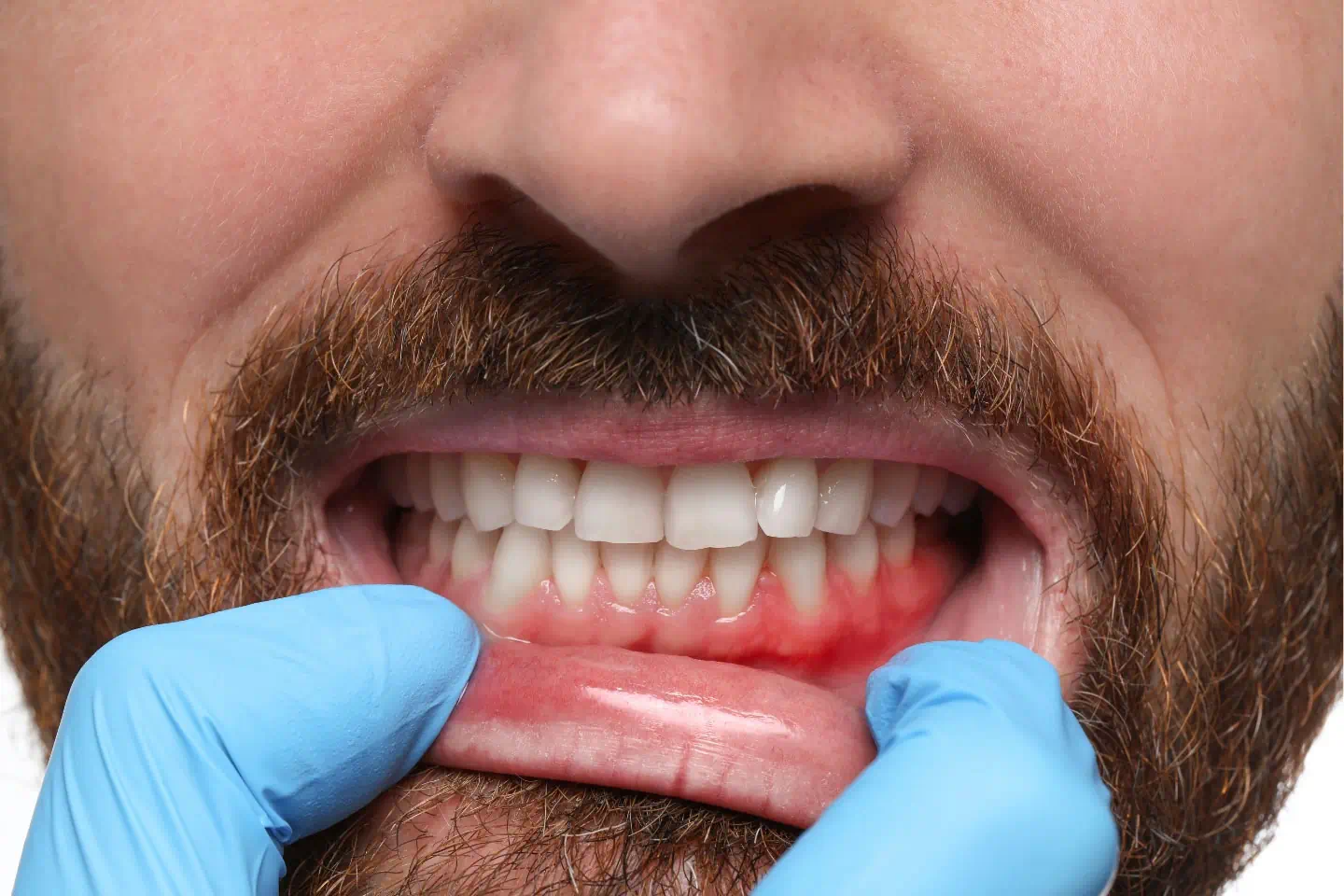
Most people notice something is off with their gums long before they ever say a word to a dentist about it. A bit of pink in the sink after brushing. Gums that feel puffier than usual. A mouth that just doesn't feel quite right. Spotting that something's changed isn't the hard part. The hard part is knowing whether it's minor and temporary, or an early sign of gum disease that actually needs attention. So that's the real question worth sitting with: how do you tell the difference between passing irritation and something that means it's time to book in with a dentist?
Gum disease develops gradually, and its early stage, gingivitis, is quiet enough to brush off (quite literally). Here's the thing though: gingivitis is also the stage where treatment is simplest, and where your gums can still bounce back completely with the right care. Once it progresses to periodontitis, the damage to the tissue and bone holding your teeth in place gets a lot harder to undo. So this isn't really a "do I have gum disease or not" question. It's more like "how confident am I that this is nothing, and what happens if I'm wrong."
Bleeding gums: a symptom people talk themselves out of
Bleeding when you brush or floss is the most common early sign of gum disease. It's also the one people dismiss the fastest. Easy to assume you brushed too hard, or your gums are just having a sensitive week. Sometimes that's exactly what it is. But if the bleeding happens more than occasionally (especially most times you clean your teeth), it's worth treating as a signal rather than a coincidence.
Here's a useful way to judge it: was that bleeding a one-off after an unusually enthusiastic brushing session, or has it become a pattern over the last week or two? Patterns matter more than isolated incidents. Notice it repeatedly and it's less likely to be a fluke, more likely to be inflammation building up under the surface.
Swollen or puffy gums
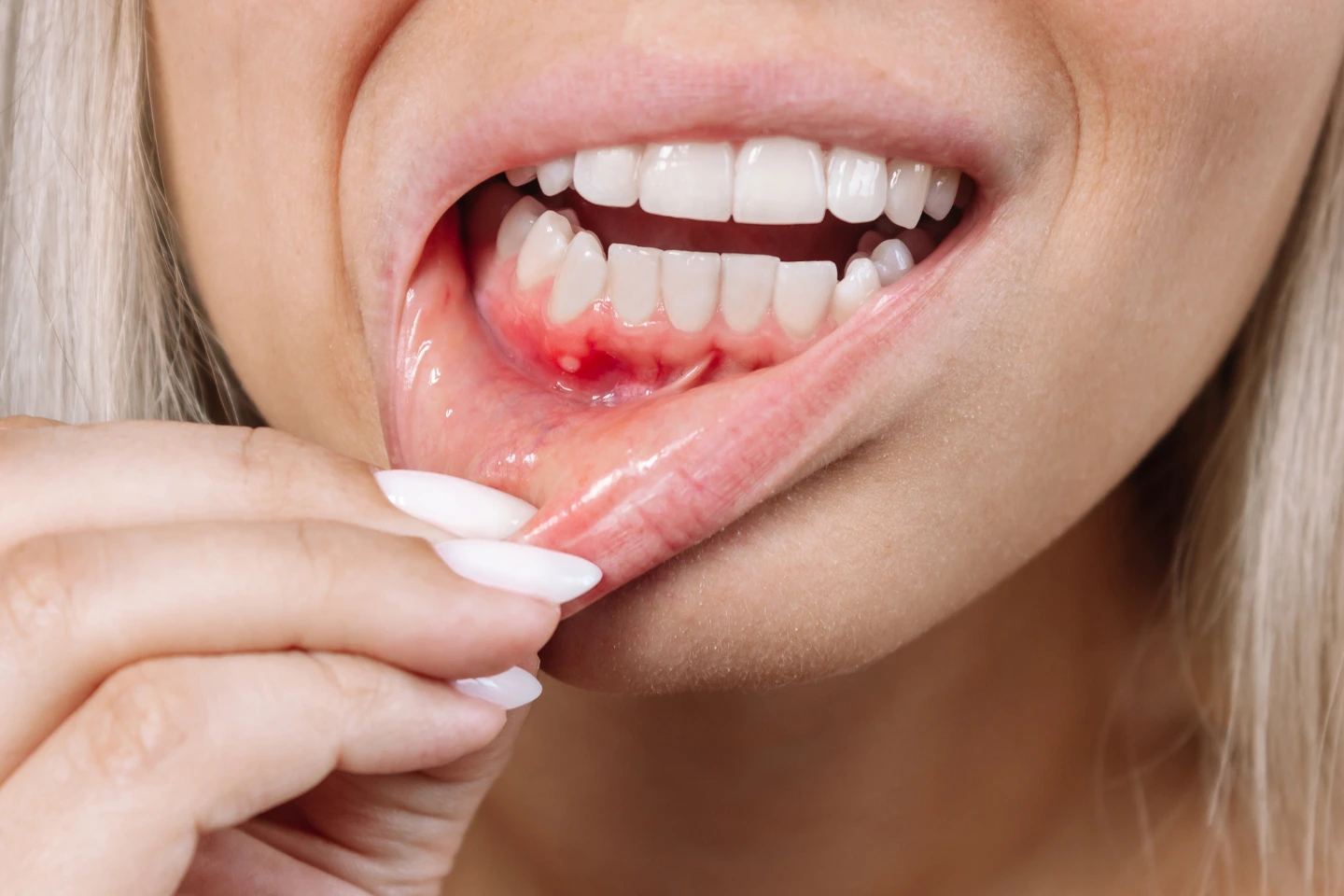
Healthy gums sit firm and snug around the base of your teeth. When gum disease starts, the tissue often swells, softens, and shifts to a deeper red or slightly purplish colour rather than a healthy pink. Plaque along the gumline triggers this inflammatory response. It's not always painful, and that's exactly why people let it go unaddressed for so long.
Persistent bad breath or a bad taste
Everyone has the occasional bout of bad breath, especially after certain foods or first thing in the morning. Gum disease is different because the odour sticks around. It doesn't really respond to brushing, mouthwash, or mints for very long. Bacteria building up below the gumline produce compounds that create that lingering smell, along with a taste some people describe as slightly metallic or just unpleasant.
Reaching for mints or mouthwash multiple times a day just to manage it? That's a fair moment to stop and ask whether something's going on underneath, rather than blaming last night's dinner.
Gums that appear to be pulling away from your teeth
This is one of the more telling signs, and it's easy to miss because it creeps up slowly. As gum disease progresses, the gum tissue can start to recede, exposing more of the tooth, sometimes even the root. Your teeth might look slightly longer than they used to. Or small gaps start forming between teeth that weren't there before.
Increased sensitivity to hot, cold, or sweet foods often goes hand in hand with this, since receding gums expose parts of the tooth that were never meant to deal with temperature changes.
Teeth that feel loose or shift position
In more advanced (but still relatively early) stages, teeth might feel slightly less stable, or your bite might feel different when you close your mouth. This means the supporting structures are being affected. It's a stage where seeing a dentist promptly genuinely changes the outcome.
How to weigh up whether it's time to get checked
A lot of these signs overlap with things that are completely harmless. A new toothbrush. A vigorous flossing session. A cold that's dried out your mouth. So how do you actually decide whether it's worth a visit?
A few practical questions can help:
- Has the symptom stuck around for more than two weeks, rather than a day or two?
- Is it happening consistently, rather than every now and then?
- Are you noticing more than one sign at once, such as bleeding combined with bad breath, or swelling combined with sensitivity?
- Has anything changed recently in your general health, medication, or habits like smoking, all of which can affect gum health?
Answer yes to more than one of these, and that's a reasonably strong hint it's worth getting checked rather than waiting to see if it sorts itself out. Gum disease doesn't tend to fix itself. And the earlier it's caught, the more straightforward the treatment usually is.
Why early attention matters
Dentists talk about early signs so often, not to cause alarm, but because gingivitis is genuinely reversible. Proper cleaning, better home care, sometimes a professional clean to shift built-up plaque and tartar, and the gums recover. Left alone, though, the inflammation can spread deeper, reaching the bone and ligament that hold your teeth in place. At that point, treatment gets more involved, and the damage isn't always fully reversible.
This is why a routine check-up matters even when nothing feels dramatically wrong. A dentist can often spot signs of gum disease before you'd ever notice them yourself. They're looking at gum colour, pocket depth, and bleeding patterns as a matter of course, every single visit.
Ready to Get Started?
Noticed any of these signs? Or just due for a check-up? Either way, it's worth getting things looked at sooner rather than later. At MG Dental, our dentist in Singapore team takes the time to properly assess your gum health and talk you through what's going on in plain terms, no pressure attached. Whether you're a long-standing patient or you're looking for a dental clinic in Singapore for the first time, our dentist office in Singapore is set up to make that first conversation easy. Book an appointment with MG Dental and get a clear picture of exactly where your gum health stands.
FAQs
Q. Can gum disease go away on its own without treatment?
Gingivitis, the early stage, can improve with better brushing, flossing, and a professional clean, but it typically doesn't sort itself out without some change in care. Left completely untreated, it rarely reverses.
Q. Is bleeding when I floss always a sign of gum disease?
Not always. Bleeding can happen if you've just picked flossing back up after a break. But if it carries on beyond a week or two, it's worth getting checked rather than assuming it'll settle on its own.
Q. Does gum disease only affect older adults?
No. Gum disease can turn up at any age, including in teenagers and younger adults, particularly if plaque isn't being cleared effectively or if other factors, like smoking, are in the mix.
Q. Can stress or diet affect gum health?
Yes, both play a part. Stress can affect the body's inflammatory response, and diets high in sugar tend to encourage plaque buildup. Both can shape gum health over time.
Q. How often should I see a dentist to keep an eye on my gums?
Most people do well with a check-up roughly every six months, though your dentist might suggest a different interval depending on your own gum health and history.
Insights for Healthier Smiles
Explore expert tips, dental care advice, and the latest trends to keep your smile looking and feeling its best.

Request your appointment at MG Dental today.


Monday: 8 am–6 pm
Tuesday: 8 am–5 pm
Wednesday: 8 am–5 pm
Thursday: 8 am–6 pm
Friday: 8 am–5 pm
Saturday: 8 am–1 pm
Sunday: Closed


MG Dental is a modern dental clinic located at 1 Orchard Blvd, #06-9A Camden Medical, Singapore 248649, providing gentle, personalized dental care.


© 2026 MG Dental | All rights reserved | Privacy Policy | Digital Marketing by Remedo