Can Gum Disease Be Reversed? What's Treatable vs What's Permanent
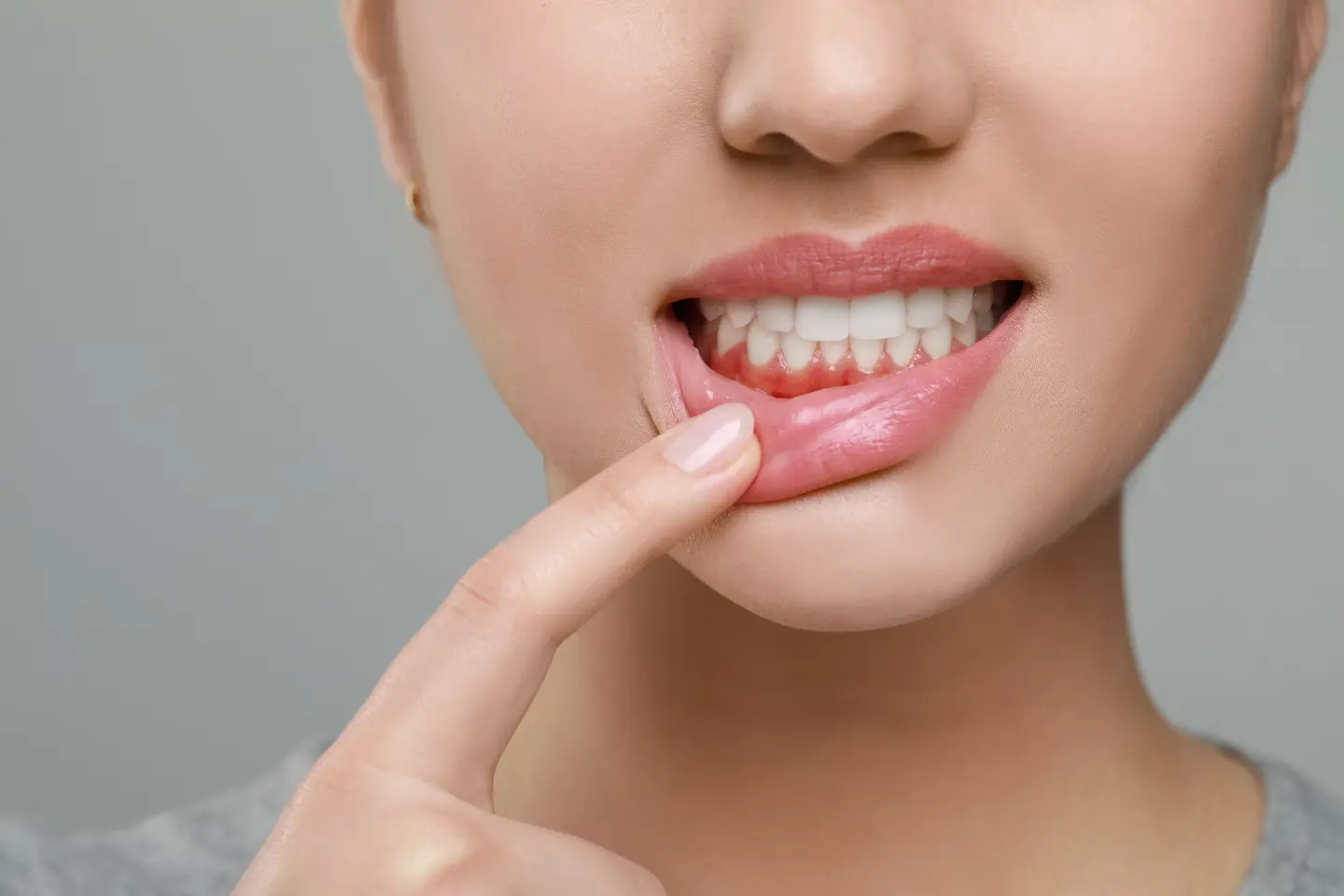
You notice it while flossing. A bit of pink on the string, maybe some tenderness when you bite into an apple. Or maybe your dentist mentioned "pocket depths" at your last check-up and you just nodded along, not really sure what that meant for your Tuesday morning routine. Whatever brought you here, you're probably wondering the same thing most people ask: is this something I have to live with now, or can it actually get better?
Honestly, the answer depends entirely on which stage you're at. That distinction changes everything. How much your daily brushing routine needs to shift. How often you'll be back in the dental chair. What it might cost you over the coming months and years. Before we get into the biology of it, let's talk about what this actually looks like in real life.
What Gum Disease Actually Changes About Your Day-to-Day
If you're in the earlier stages, the day-to-day impact is often manageable. A bit more time spent flossing, maybe an antimicrobial mouthwash added to the routine, and a follow-up appointment or two. Eating generally isn't affected much, though some people notice sensitivity to hot or cold.
Once it progresses further, the impact gets harder to ignore. Chewing certain foods (tougher meats, crunchy vegetables) can become genuinely uncomfortable. Some people start avoiding one side of their mouth without really clocking why. Bad breath that doesn't shift with mints or mouthwash becomes a recurring worry, and honestly, that hits harder socially than people expect. The financial side isn't nothing either. Deep cleanings, more frequent reviews, and in advanced cases, surgical treatment, all of it adds up in a way a simple check-up and polish never would.
Time is another thing people underestimate. Early intervention might mean one or two extra visits over a few months. Advanced gum disease? That can mean an ongoing relationship with your dental team stretching over years, with maintenance visits every three months rather than the standard six. Understanding this upfront helps make sense of why your dentist might be pushing a particular course of action. Waiting rarely makes things simpler or cheaper.
Gingivitis: The Stage That's Genuinely Reversible
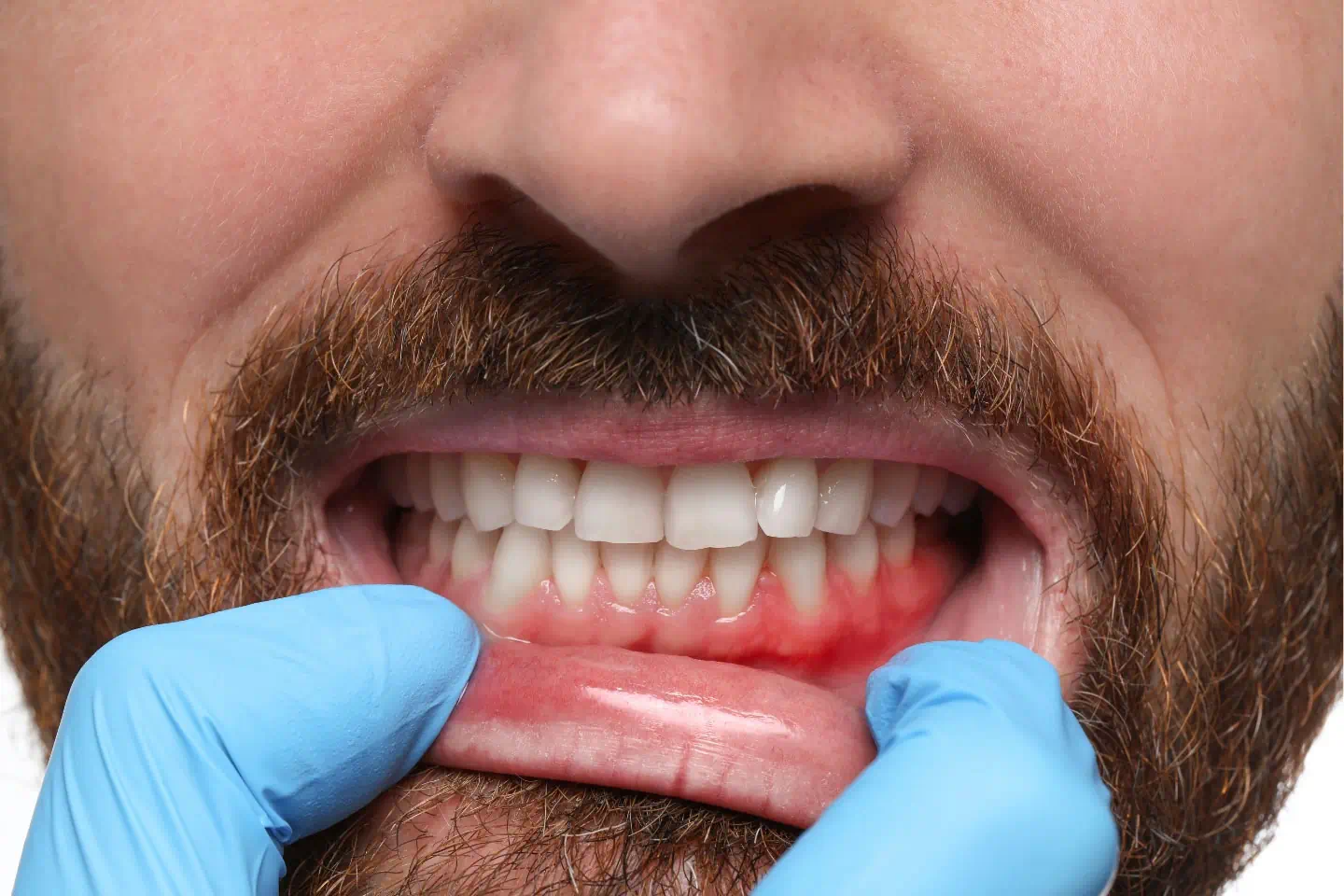
Gingivitis is the early stage of gum disease, and it's the one piece of good news in this whole topic. At this point, the inflammation is confined to the gum tissue itself. The bone and ligaments holding your teeth in place haven't been touched yet. Symptoms typically include redness, swelling, and bleeding when you brush or floss, but there's no permanent structural damage.
With consistent oral hygiene, professional cleaning to clear plaque and tartar, and a few tweaks to your brushing technique, gingivitis can be brought back to a healthy state. This isn't guaranteed for every case (some people have underlying factors like diabetes or hormonal changes that make it harder), but for most, gingivitis responds well to treatment within a matter of weeks.
The catch is that gingivitis often doesn't hurt much. So it's easy to ignore. Bleeding gums get written off as "just brushing too hard" rather than a sign that something needs attention.
Periodontitis: Where Things Become More Permanent
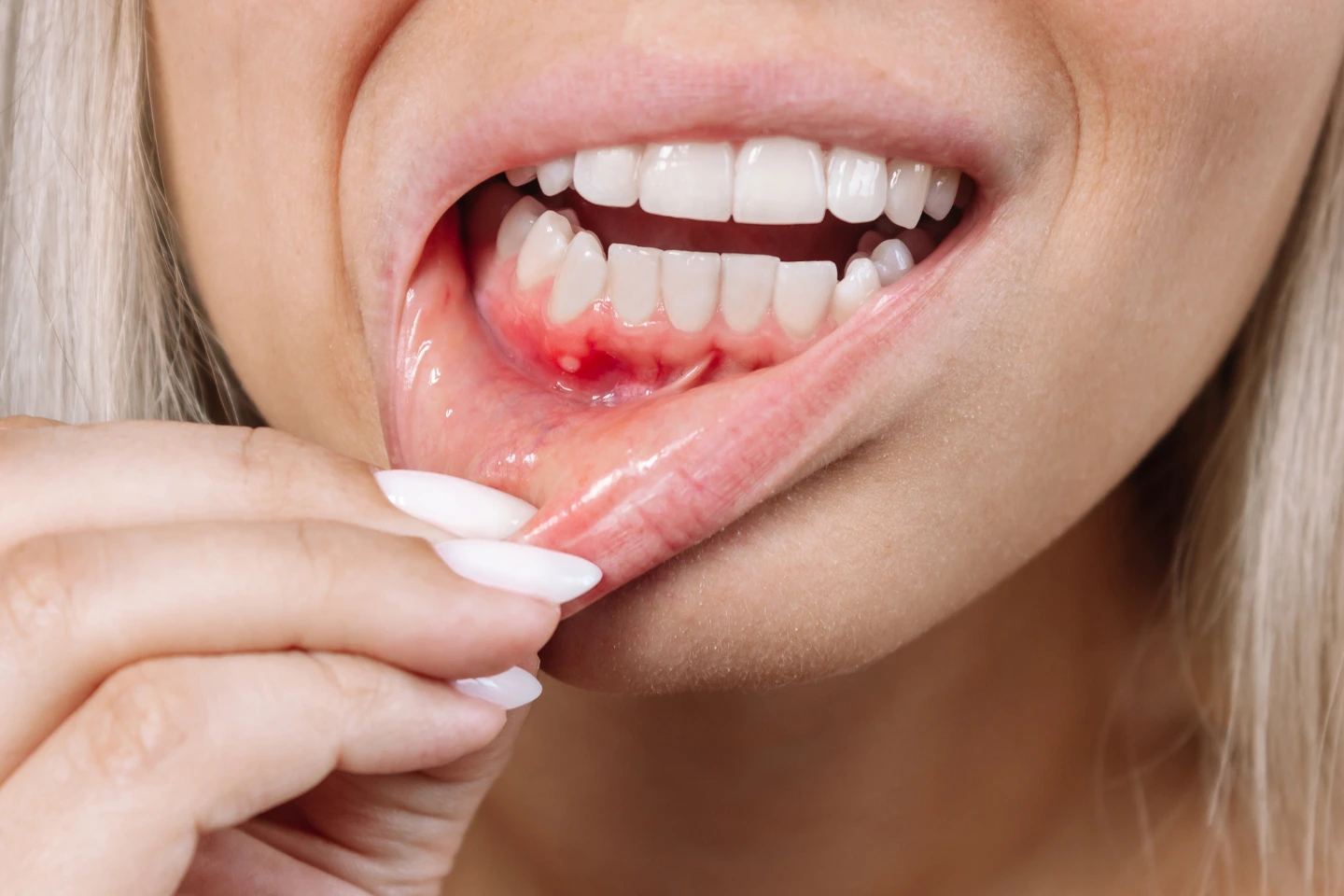
Once gum disease progresses to periodontitis, the situation changes. At this stage, the infection has moved beyond the gums and started affecting the bone and connective tissue anchoring your teeth. This is where the word "reversed" stops being accurate, because bone loss and damaged ligament attachment generally don't regenerate on their own.
What can be done is stopping the disease from progressing further and managing the damage already there. This usually means a deeper clean below the gumline (often called scaling and root planing), and in more advanced cases, referral for surgical treatment to reduce pocket depths or address bone loss. For more information on managing advanced gum problems, you can also explore periodontal disease management.
Worth being clear here: "permanent" doesn't mean "hopeless." Many people with periodontitis keep their natural teeth for decades with the right maintenance plan. But the underlying damage is there to stay. The focus shifts from reversal to long-term management.
Why the Distinction Between Stages Matters So Much
Knowing whether you're dealing with gingivitis or periodontitis isn't just academic. It shapes the entire treatment conversation. Someone with gingivitis might be told to improve their brushing technique and come back in a few weeks. Someone with periodontitis might need a series of appointments, a referral to a periodontal specialist, and a revised recall schedule going forward. Getting an accurate diagnosis early is genuinely one of the most useful things you can do for your long-term oral health. Regular dental check-ups can help identify changes before they become more difficult to manage.
What You Can Actually Do to Support Treatment
Regardless of which stage you're at, there are things within your control. Brushing twice daily with a fluoride toothpaste, cleaning between your teeth daily (floss, interdental brushes, a water flosser, whatever works for you), and not smoking. All of it makes a measurable difference to how gum disease responds to treatment.
Diet plays a role too, and it's often underestimated. Diets high in sugar feed the bacteria that cause plaque buildup. A balanced diet with enough vitamin C supports gum tissue health. Stress and poor sleep have also been linked to a weaker immune response, which can make gum disease harder to control.
None of these changes will reverse periodontitis once bone loss has happened. But they can meaningfully slow things down and support whatever treatment your dentist has recommended. Learning more about the connection between dental health and overall wellbeing can also help put these daily habits into perspective.
Ready to Get Started?
If you've noticed bleeding gums, persistent bad breath, or any changes in how your teeth feel when you bite down, it's worth having it looked at rather than waiting to see if it settles on its own. Sound familiar? At MG Dental, our dentist in Singapore takes the time to explain exactly which stage of gum disease you're dealing with and what a realistic treatment path looks like from there. Whether you're after routine maintenance or need a more involved plan, our dental clinic in Singapore is set up to support you through it. Get in touch with our dentist office in Singapore to book a review and find out where things stand for you.
FAQs on Gum Disease Reversal
Can gum disease come back after it's been treated?
Yes, particularly if oral hygiene habits slip or regular maintenance visits get missed. This is why ongoing reviews are usually recommended even after initial treatment has gone well.
How do I know if I have gingivitis or something more advanced?
The only reliable way is a proper examination, including measuring pocket depths around each tooth and, where needed, an X-ray to check bone levels. Bleeding and swelling alone don't tell you which stage you're at.
Does gum disease treatment hurt?
Deeper cleaning below the gumline can cause some discomfort, though local anaesthetic is often used to manage this. Most people find it manageable and describe mild sensitivity afterwards rather than real pain.
Can gum disease affect my overall health, not just my mouth?
Research has linked untreated periodontitis with other health conditions, including cardiovascular issues and difficulty managing diabetes. This is one reason dental teams take gum health seriously as part of overall wellbeing, not just tooth preservation.
How often should I have my gums checked once I've had treatment?
This varies depending on how advanced things were to begin with. Some people return to standard six-month check-ups, while others with a history of periodontitis are advised to come in every three to four months for closer monitoring.
Insights for Healthier Smiles
Explore expert tips, dental care advice, and the latest trends to keep your smile looking and feeling its best.
Request your appointment at MG Dental today.


Monday: 8 am–6 pm
Tuesday: 8 am–5 pm
Wednesday: 8 am–5 pm
Thursday: 8 am–6 pm
Friday: 8 am–5 pm
Saturday: 8 am–1 pm
Sunday: Closed


MG Dental is a modern dental clinic located at 1 Orchard Blvd, #06-9A Camden Medical, Singapore 248649, providing gentle, personalized dental care.


© 2026 MG Dental | All rights reserved | Privacy Policy | Digital Marketing by Remedo