How Often Should You Visit a Dentist in Singapore?

Keeping up with a regular dental routine can be hard when you have a busy daily schedule. Between work, looking after your family, and your social life, it is very easy to forget about booking regular health appointments. Many people only think about seeing a dentist when they get a sudden toothache, a bleeding gum, or a broken filling. But waiting until your teeth hurt before you visit a clinic is not an ideal way to look after your mouth.
Preventive dental care simply means catching and sorting out problems before they cause pain or need complicated treatments. In Singapore, where our daily life often involves enjoying a wide variety of local food, sweet drinks, and busy routines, going for regular dental check-ups is a very important part of looking after your body. Understanding how often you need to sit in a dental chair helps you keep your teeth and gums healthy for the future.
The General Guideline for Routine Dental Visits
For most adults and children, the standard advice is to see a dentist twice a year, which means once every six months. This time gap is chosen because of how fast common mouth problems usually grow.
Every single day after you eat and drink, a soft, sticky layer of bacteria called plaque builds up on your teeth. Even if you are very careful with brushing and flossing at home, there are always tiny gaps and hard-to-reach spots where plaque gets left behind. If this soft layer stays on your teeth for too long, it mixes with the minerals in your saliva and turns into a hard substance called calculus, which is also known as tartar. Once calculus has formed on your teeth, you cannot brush it off with a normal toothbrush at home. It can only be taken off using proper dental instruments. A six-month visit ensures that this hard buildup is cleared away before it can cause deeper damage to your gums or the bone that holds your teeth steady.
The drawing above displays the steps that usually happen during a standard dental cleaning visit. The process begins with scaling to clear away the hard calculus, followed by polishing to clean the tooth surfaces, and finishes with a fluoride treatment to make the enamel stronger. Keeping up with these steps every six months prevents a small buildup from turning into a much bigger problem.
Why Two Visits a Year is the Standard Baseline
Going to the dentist twice a year is helpful for two main reasons. It allows the dentist to do a full check of your mouth and gives you a professional clean. Both of these parts work together to keep your mouth working properly.
Early Detection of Dental Cavities
Tooth decay takes time to develop. It starts as a tiny soft spot on the outer enamel, which usually does not hurt and cannot be seen easily. During a regular check-up, a dentist can find these early signs of decay using special lights, mirrors, and dental x-rays. Finding a cavity at this early stage means it can be repaired with a small, simple filling. If you skip your regular visits and wait until the tooth starts throbbing, the decay may have gone deep into the inner pulp and nerves. When that happens, you will often need a more complicated root canal treatment or even an extraction to get rid of the problem.
Managing Plaque and Calculus Buildup
Calculus tends to collect along your gumline and between your teeth over a few months. When this hard layer sits on your teeth for a long time, it creates a rough surface where even more bacteria can stick. Having bacteria sitting right next to your gums all the time upsets your body's natural defences. This leads to redness, bleeding when you brush, and constant swelling. Regular scaling and polishing sessions scrape away this hard layer, giving your gums a clean, fresh space to rest and stay healthy.
Gum Disease Prevention
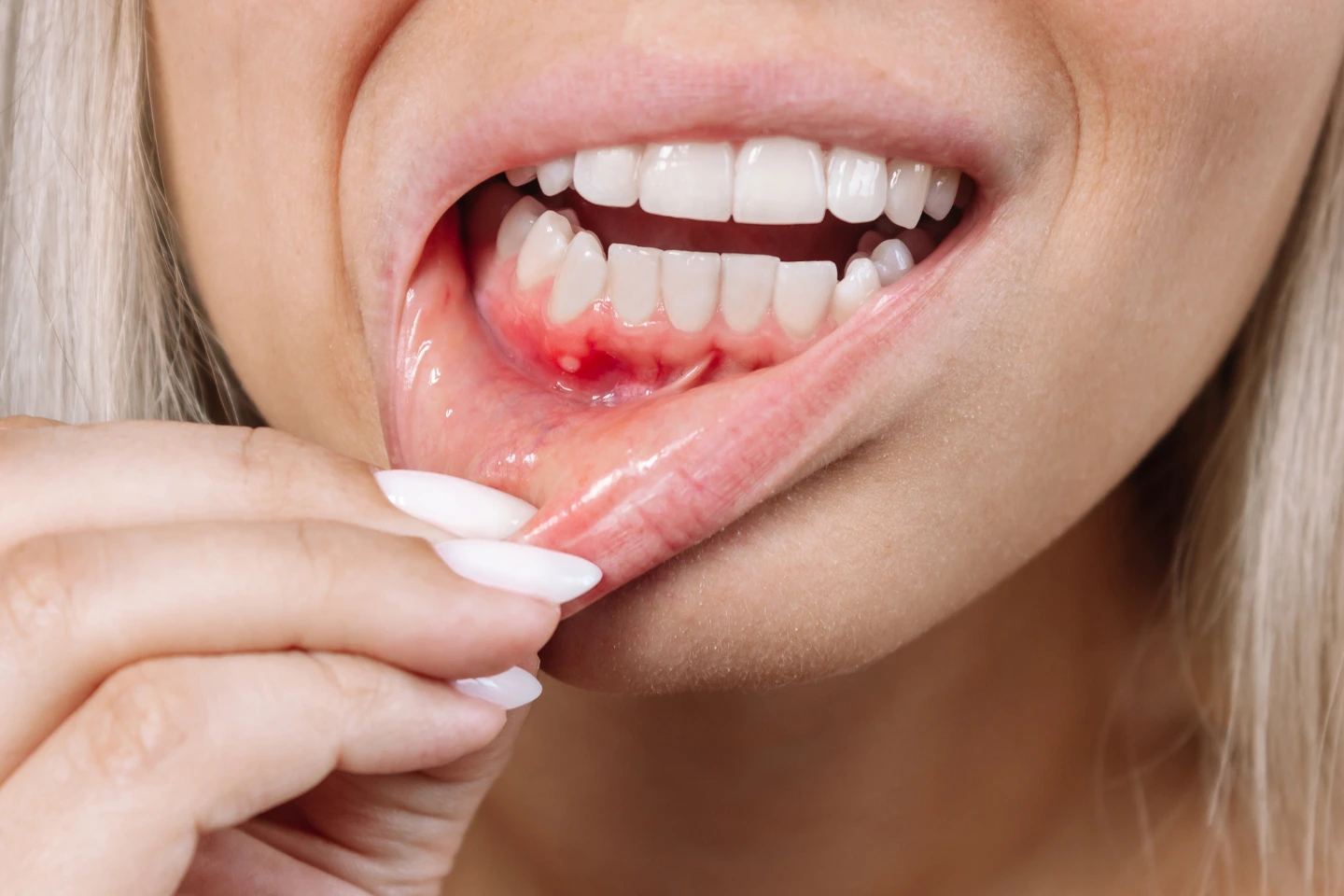
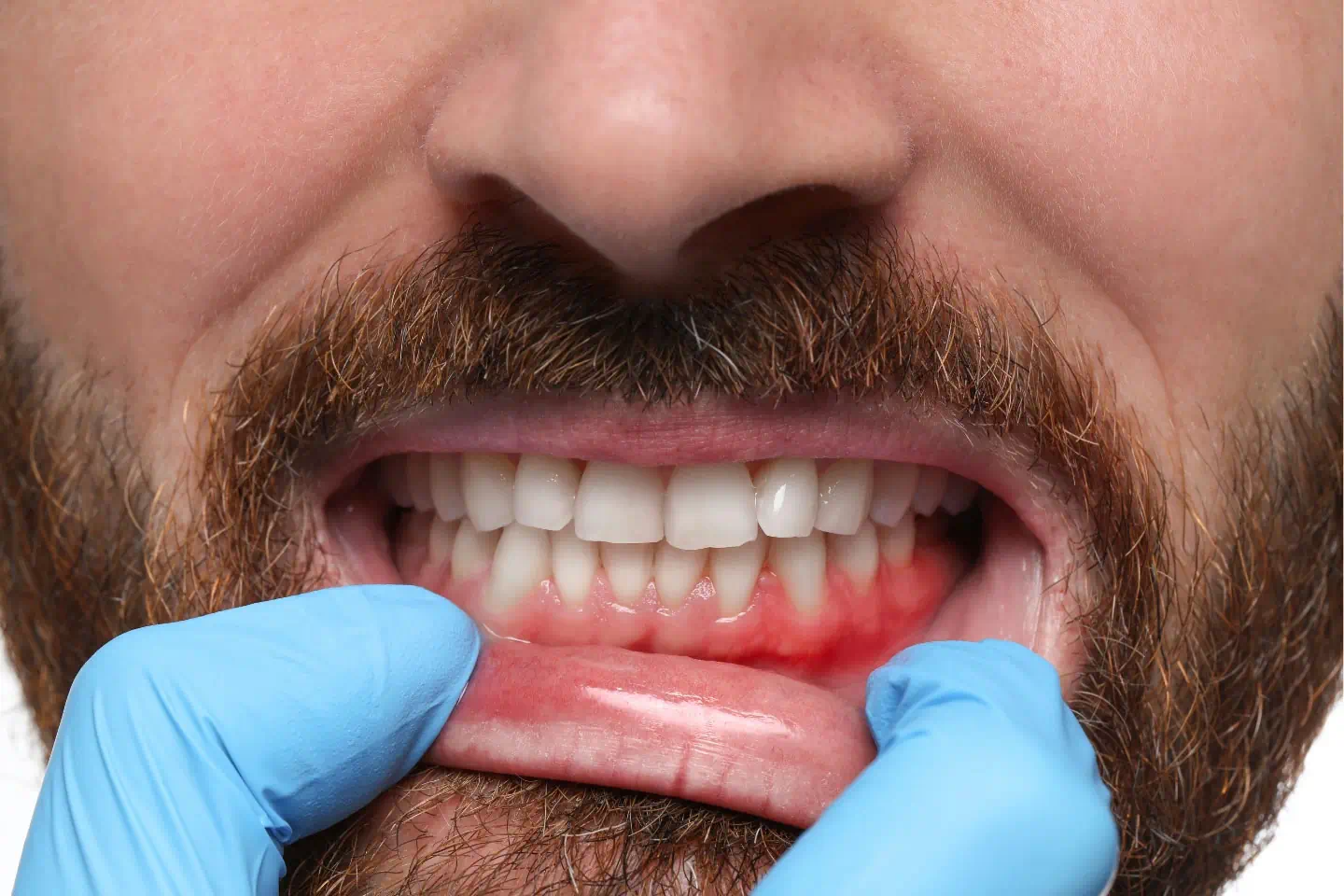
Gum disease, which dentists call periodontal disease, is one of the main reasons adults lose their teeth. It usually starts as gingivitis, which is a mild form of swelling where your gums bleed a little bit when you brush or floss. If gingivitis is caught during a six-month check-up, it can normally be reversed with a good professional clean and better brushing habits at home. However, if it is left alone for a year or longer, it can turn into periodontitis. This deeper stage damages the bone and tissues that hold your teeth in place, causing your teeth to become loose and eventually drop out.
When You Might Need to Go More Frequently
While the six-month rule works well for many people, everyone's mouth is different. Some health problems, daily habits, and family history can increase your chances of getting dental issues. This means you might need to visit a dental clinic more often, like every three or four months.
Managing Chronic Conditions
People who have diabetes often need to see their dentist more regularly. Diabetes can make it harder for the body to fight off bacterial infections, which means the gums can get swollen and infected much more easily. At the same time, having severe gum disease can make it harder to manage blood sugar levels, creating a difficult cycle. Regular dental tracking helps break this cycle by keeping the bacteria levels in your mouth as low as possible.
Pregnancy and Hormonal Changes
Pregnancy brings big changes to your hormone levels, and this can alter how your gums react to daily plaque. Many pregnant women get a temporary issue called pregnancy gingivitis, where the gums become very tender, swollen, and bleed easily. To keep your mouth comfortable and healthy during this time, a dentist might suggest coming in for an extra check-up and clean during your second trimester.
High Risk Lifestyle Habits
People who smoke or use tobacco are at a much higher risk of getting severe gum disease and mouth cancers. Tobacco smoke lowers the blood flow to your gums, which can hide the usual signs of swelling, like bleeding. This means gum disease can grow silently without you even knowing it. Smokers also tend to get calculus buildup at a faster rate than non-smokers. Because of this, more regular visits are often needed to look closely at the soft tissues inside the mouth.
What Happens During a Standard Dental Check-up and Clean?
If it has been a long time since you last saw a dentist, knowing what happens during the appointment can help you feel more relaxed. A routine visit is very straightforward and follows a simple pattern.
First, the dentist will chat with you about your general health, any medicines you are taking, and whether you have noticed any new pain or sensitivity when eating or drinking. After that, they will do a careful visual check. The dentist will look at every single tooth for signs of decay, check that old fillings or crowns are still firm, and examine your gums, tongue, and the inside of your cheeks.
Once the check is done, the scaling and polishing starts. The dentist uses an ultrasonic scaler, which uses vibrations and a gentle spray of water to lift the hard calculus away from your teeth and from just under the gumline. After the scaling is finished, they use a small spinning tool with a soft rubber cup and a special paste to polish your teeth. This removes everyday stains caused by tea, coffee, or food, leaving your teeth feeling smooth. Finally, the dentist will give you simple, practical tips on how to brush and floss better at home based on what they saw during your clean.
Plan Your Routine Oral Care with MG Dental
Going for your regular dental visits is one of the easiest ways to protect your health over time. By spending a short amount of time every six months for a professional check-up and clean, you can keep your teeth working well, stop gum disease from getting worse, and avoid needing sudden emergency treatments later on.
If it is time for your next routine check, you can get in touch with the team at MG Dental. Our dental clinic in Singapore offers factual mouth checks, thorough scaling and polishing, and clear advice on how to look after your teeth at home. You can book an appointment at MG Dental to have your teeth checked in a comfortable, straightforward setting, helping you keep your oral care on the right track.
Frequently Asked Questions (FAQs)
Do I need to visit a dentist if my teeth do not hurt and look fine?
Yes, you should still book a visit. Many common mouth problems, like early cavities, gum disease, and small cracks, do not cause any pain or show clear signs at the start. When a tooth begins to hurt, it usually means the problem has already grown large or reached the deep nerves inside. Regular check-ups help catch these issues when they are small and easy to treat.
How often should children in Singapore see a dentist?
Children should have their first dental visit around their first birthday, or within six months of their first baby tooth coming through. After that first visit, a regular check-up every six months is recommended. These routine visits help track how their jaw and adult teeth are growing, stop cavities early, and help children get used to visiting the clinic without fear.
Does regular brushing and flossing at home mean I can skip professional scaling?
While brushing twice a day and flossing daily are very important for clearing away daily plaque, they cannot remove calculus once it has hardened onto your teeth. Professional scaling is the only safe way to clean off calculus deposits and stop them from irritating your gums.
What signs mean I should see a dentist straight away instead of waiting for my six-month check-up?
You should book an appointment right away if you have a constant toothache, sharp pain when eating hot or cold food, gums that stay swollen or bleed a lot, bad breath that does not go away after brushing, or if you have bumped or hurt your teeth in an accident.
How often do I need to have dental X-rays taken?
How often you need x-rays depends on your own mouth health. For an adult with healthy teeth and no recent history of cavities, x-rays might only be needed every one to two years to check between the teeth and look at the bone. If you get cavities easily or are having specific treatments, the dentist may take them more often.
Can dental scaling make my teeth loose or create gaps between them?
No, scaling does not cause gaps or make teeth loose. When a person has a lot of calculus buildup, it can form a hard crust that fills the natural gaps between the teeth and covers up receded gums. When this hard buildup is cleaned away during scaling, you might notice the natural gaps or feel a temporary lightness, but this is just how your clean teeth are supposed to feel.
Insights for Healthier Smiles
Explore expert tips, dental care advice, and the latest trends to keep your smile looking and feeling its best.

Request your appointment at MG Dental today.


Monday: 8 am–6 pm
Tuesday: 8 am–5 pm
Wednesday: 8 am–5 pm
Thursday: 8 am–6 pm
Friday: 8 am–5 pm
Saturday: 8 am–1 pm
Sunday: Closed


MG Dental is a modern dental clinic located at 1 Orchard Blvd, #06-9A Camden Medical, Singapore 248649, providing gentle, personalized dental care.


© 2026 MG Dental | All rights reserved | Privacy Policy | Digital Marketing by Remedo