What Happens During a Routine Dental Check-Up?
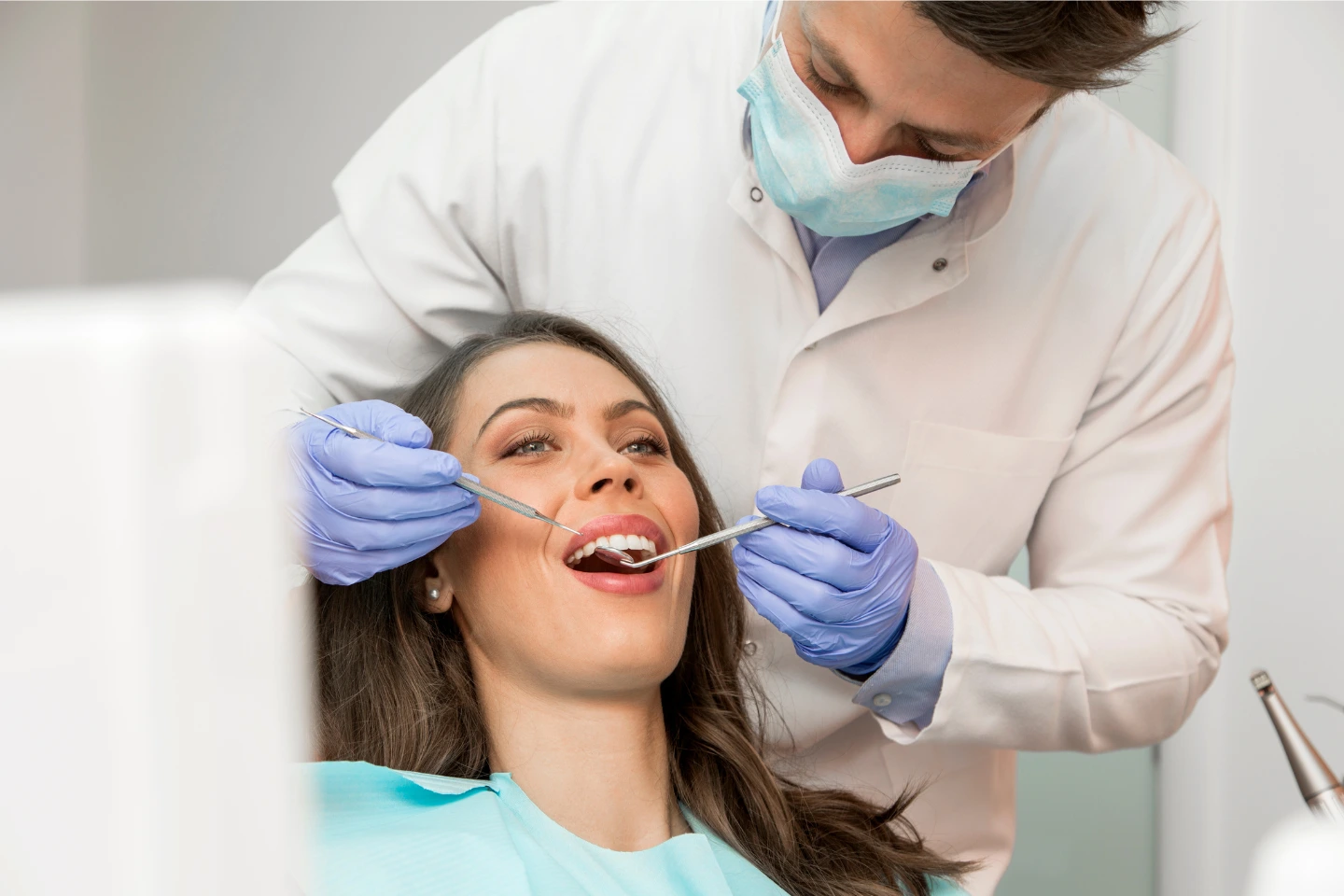
Going to the dentist doesn't have to be stressful. If you're wondering what happens during a routine dental check-up, you're not alone, many patients feel anxious about their appointments simply because they don't know what to expect. The good news? A routine dental check-up is a straightforward, preventive visit designed to keep your smile healthy and catch any problems early.
At MGDS Dental in Singapore, we believe that understanding your dental visit helps you feel more confident and in control. In this guide, we'll walk you through every step of what happens during a routine dental check-up, explain why these visits matter, and show you how preventive care can save you time, money, and discomfort in the long run.
Whether you're a new patient or simply want to refresh your knowledge, this article will answer all your questions about routine dental examinations and why they're one of the most important things you can do for your oral health.
Quick Answer
What happens during a routine dental check-up? A routine dental check-up includes a medical and dental history review, digital X-rays (if needed), a comprehensive oral examination, gum evaluation, oral cancer screening, professional plaque and tartar removal, tooth polishing, and a personalized treatment plan. The entire visit typically takes 30-60 minutes and is designed to maintain your oral health and detect problems early.
Why Are Routine Dental Check-Ups Important?
Routine dental check-ups are the foundation of preventive dental care. They allow your dentist to monitor your oral health, identify problems before they become serious, and help you maintain a healthy smile for life.
Key Reasons for Regular Visits:
Prevent Cavities Early detection of cavities allows your dentist to treat them when they're small and less expensive. Regular professional cleanings remove buildup that brushing alone can't address, reducing your cavity risk significantly.
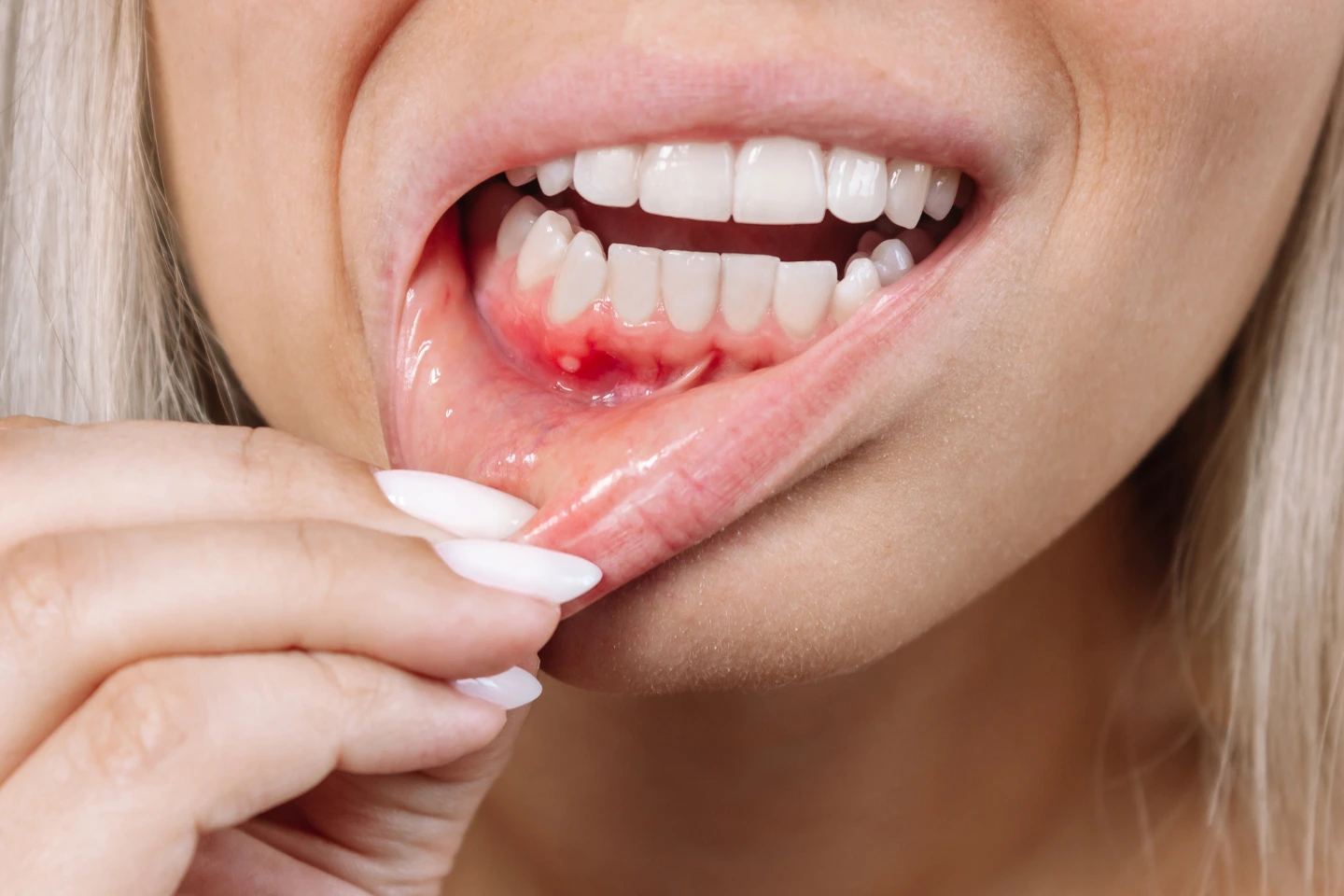
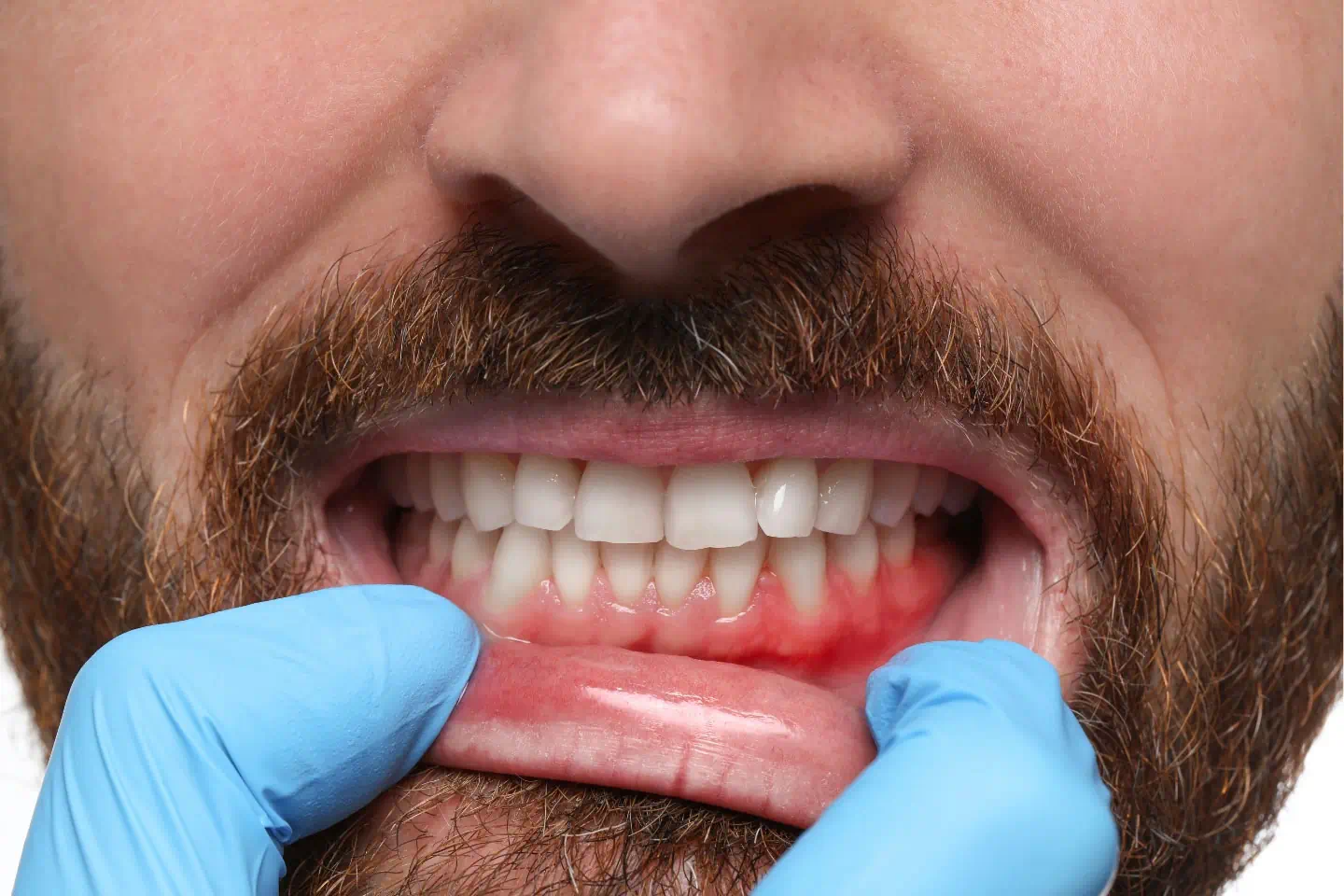
Prevent Gum Disease Gum disease starts silently and can progress without symptoms. Routine exams include gum evaluation to catch early signs of gingivitis and periodontitis, conditions that can lead to tooth loss if left untreated.
Detect Oral Cancer Early Oral cancer screenings during routine check-ups can identify suspicious lesions or abnormalities in their earliest stages, when treatment is most effective. This potentially life-saving benefit is one reason consistent dental visits matter.
Save Money Preventive care is always more affordable than treating advanced dental problems. A cavity caught early costs far less to treat than a root canal or extraction. Regular check-ups can save you thousands of dollars in future dental expenses.
Maintain Overall Health Growing research shows that oral health is connected to your overall health. Gum disease has been linked to heart disease, diabetes, and other systemic conditions. Regular dental check-ups help protect both your smile and your general wellbeing.
Key Takeaway: Routine dental check-ups are your best defense against cavities, gum disease, and serious oral conditions. They're affordable, quick, and designed to keep your smile healthy for life.
What Happens During a Routine Dental Check-Up?
A routine dental check-up at MGDS Dental follows a systematic approach to ensure thorough evaluation and care. Here's what you can expect during your visit:
Medical History Review
When you arrive for your appointment, our team begins by reviewing your medical history. This isn't just about dental information—your overall health impacts your oral health. We ask about:
- Current medications (some can affect oral health)
- Medical conditions (like diabetes or heart disease)
- Allergies
- Previous surgeries or hospitalizations
- Recent changes in your health
This information helps your dentist provide personalized care and identify any health factors that might influence your dental treatment.
Dental History Assessment
Next, we review your dental history, including:
- Your last dental visit and any treatments you've had
- History of cavities or gum disease
- Teeth grinding or clenching habits
- Current oral hygiene routine
- Any dental concerns or symptoms you've noticed
This conversation helps establish a baseline for your oral health and allows you to discuss any issues that have been bothering you.
Digital Dental X-Rays (If Required)
Digital X-rays are an essential diagnostic tool in modern dentistry. Unlike film X-rays, digital radiographs use significantly less radiation while providing crystal-clear images of your teeth and jaw structure.
Why X-rays matter:
- Detect cavities between teeth
- Show bone loss
- Reveal impacted or developing teeth
- Identify infections or cysts
- Assess jaw alignment
Your dentist determines whether X-rays are needed based on your individual risk factors and how long it's been since your last imaging. New patients typically receive a full-mouth series; established patients usually have periodic X-rays during routine visits.
Comprehensive Oral Examination
This is the core of your routine dental check-up. Your dentist systematically examines:
Teeth Assessment:
- Checking each tooth for cavities or decay
- Evaluating the condition of any existing fillings or restorations
- Assessing tooth wear and surface integrity
- Looking for cracks or chips
Gum and Soft Tissue Examination:
- Visual inspection of gums for color, texture, and recession
- Assessment of overall gum health
Bite Evaluation:
- Checking your bite alignment and jaw function
- Identifying any bite problems that might cause wear or dysfunction
Gum Evaluation
Gum health is a critical component of your oral examination. Your dentist uses a periodontal probe to measure the depth of the space between your teeth and gums (called the sulcus).
What's being measured:
- Normal gum pockets are 1-3 millimeters deep
- Deeper pockets (4mm or greater) may indicate gum disease
- Measurements are recorded to track changes over time
Your dentist also looks for:
- Bleeding when probed
- Gum recession
- Color changes
- Signs of inflammation
This evaluation helps catch gum disease early, when it's most treatable.
Oral Cancer Screening
This important preventive screening is included in every routine dental check-up. Your dentist visually inspects and palpates (feels) the tissues in your mouth, looking for:
- Unusual lumps or growths
- Red or white patches
- Sores that don't heal
- Changes in tissue texture
- Asymmetries or abnormalities
Early detection of oral cancer significantly improves treatment outcomes. If anything suspicious is found, your dentist will recommend further evaluation or referral to a specialist.
Plaque & Tartar Removal
Plaque is a sticky film of bacteria that forms on your teeth. Even with excellent home care, plaque accumulates and hardens into tartar (calculus), which can't be removed by brushing alone.
During your cleaning, your dentist or dental hygienist uses specialized instruments to:
- Remove plaque and tartar from tooth surfaces
- Clean below the gum line
- Address buildup that contributes to gum disease
- Create a clean surface for polishing
This process, called scaling, is gentle but thorough. You may hear some scraping sounds, which is completely normal.
Professional Teeth Cleaning
After plaque and tartar removal, your hygienist performs a thorough cleaning using a rotating brush and polishing paste. This professional cleaning:
- Removes stains from coffee, tea, red wine, and smoking
- Polishes tooth surfaces to a smooth finish
- Improves the appearance of your smile
- Removes debris and buildup
The polishing cup and paste are different from your at-home toothpaste professional-grade materials are more effective at achieving a bright, clean finish.
Tooth Polishing
Polishing is the finishing touch to your professional cleaning. A gentle, rotating brush applies fluoride-containing polishing paste to:
- Brighten your smile
- Smooth tooth surfaces
- Create a protective polish
- Leave your mouth feeling fresh and clean
Fluoride Treatment
Many patients receive a fluoride treatment during their routine check-up. Fluoride is a naturally occurring mineral that strengthens tooth enamel and helps prevent cavities.
How fluoride treatment works:
- A concentrated fluoride gel is applied to your teeth
- It's left on your teeth for a short time (usually 1-2 minutes)
- The fluoride is absorbed by your enamel, making it more resistant to decay
- You're asked not to eat or drink for 30 minutes after treatment
Fluoride treatments are especially beneficial for:
- Patients with a history of cavities
- Children and teenagers
- Adults with exposed root surfaces
- Those at high risk for decay
Personalized Treatment Plan
Before you leave, your dentist discusses their findings and creates a personalized treatment plan based on your specific needs. This might include:
- Recommendations for cavity treatment
- Guidance on improving your home care routine
- Suggestions for additional treatments (like deep cleaning for gum disease)
- Information about cosmetic options you might want to explore
- Schedule for your next appointment
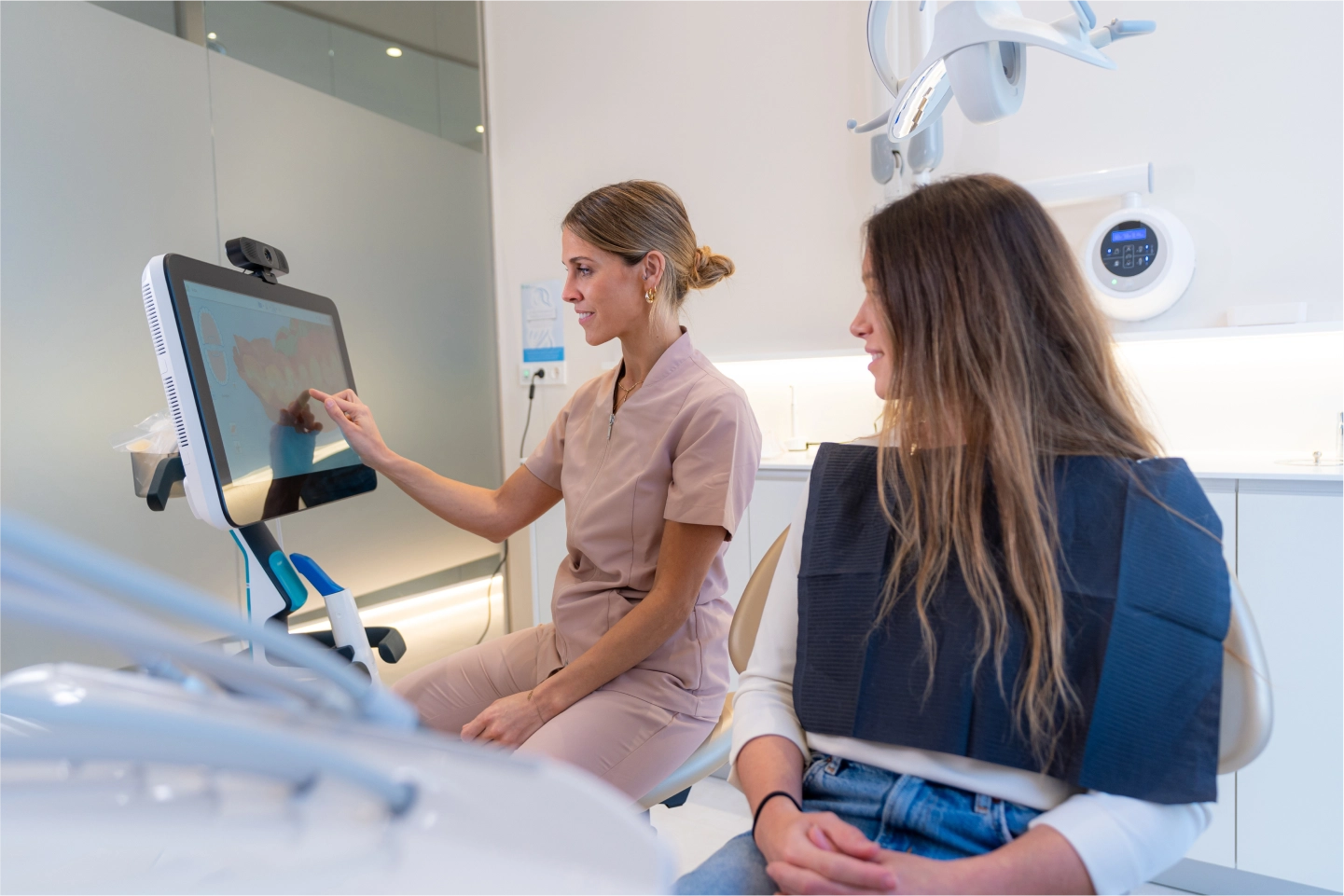
Your dentist will explain everything clearly and answer any questions you have, ensuring you understand your oral health status and the recommended next steps.
Key Takeaway: A routine dental check-up is a comprehensive evaluation that includes examination, professional cleaning, and personalized recommendations—all designed to maintain your oral health and catch problems early.
How Long Does a Routine Dental Visit Take?
Most routine dental check-ups take 30 to 60 minutes, depending on several factors:
Shorter visits (30-45 minutes):
- Established patients with good oral health
- No X-rays needed
- Minimal plaque or tartar buildup
- No treatment required
Longer visits (45-60 minutes):
- New patients (initial examination)
- Full-mouth X-rays required
- Significant plaque or tartar removal needed
- Discussion of treatment options
- Patient education on oral hygiene
First appointments typically take 60 minutes because your dentist is gathering comprehensive information and establishing your baseline oral health status.
Tip: Arrive 10-15 minutes early to complete any necessary paperwork, allowing your appointment to start on time.
Is a Routine Dental Check-Up Painful?
No. A routine dental check-up should not be painful. However, some patients experience mild discomfort or sensitivity, which is normal and manageable.
What Might Feel Uncomfortable (But Isn't Painful):
Sensitivity during cleaning: The scaling instruments may cause slight sensitivity, especially if your gums are inflamed or if you have exposed root surfaces. This sensation is temporary and typically resolves quickly.
Probing sensation: When your dentist measures gum pockets, you might feel slight pressure. If your gums are healthy, you shouldn't feel pain—just pressure.
Vibration: The ultrasonic scaler creates vibrations that some patients find unfamiliar, but it shouldn't hurt.
Fluoride taste: The fluoride treatment has a strong taste that some patients find unpleasant, but it's not painful.
If You Experience Pain:
Tell your dentist immediately. Pain is your body's signal that something needs attention, and your dentist can adjust their technique or provide local anesthesia if needed. Many patients with dental anxiety benefit from:
- Discussing their concerns before the appointment
- Using a "stop" hand signal if they need a break
- Listening to music during the visit
- Focusing on their breathing
Your comfort matters. At MGDS Dental, our team is experienced in working with anxious patients and will do everything possible to ensure your visit is comfortable.
How Often Should You Visit the Dentist?
Most people should visit the dentist every 6 months for a routine check-up and professional cleaning. However, the ideal frequency depends on your individual oral health:
Recommended Frequency by Health Status:
Excellent oral health:
- Every 6 months for routine maintenance
- No active cavities or gum disease
- Consistent home care routine
Good oral health with minor concerns:
- Every 6 months, with more frequent cleanings if needed
- History of cavities or gum disease
- Working on improving home care
Active gum disease:
- Every 3-4 months (more frequent cleanings)
- Professional guidance and treatment
- Improved home care routine
High-risk patients:
- Every 3-4 months or more frequently
- History of serious decay or gum disease
- Medical conditions affecting oral health
- Smokers or tobacco users
Why Every 6 Months?
Research shows that plaque and tartar can accumulate significantly in 6 months, and early-stage cavities or gum disease can develop without causing symptoms. Regular 6-month visits allow your dentist to:
- Remove buildup before it causes problems
- Detect cavities when they're small
- Identify gum disease before it progresses
- Monitor your overall oral health
Your dentist may recommend a different schedule based on your individual needs, and that's completely appropriate, the best frequency is the one that keeps your smile healthiest.
Common Dental Problems Dentists Detect During Routine Exams
Routine dental check-ups allow your dentist to detect problems early, when they're easiest and least expensive to treat. Here are conditions your dentist looks for:
Cavities (Dental Caries)
Cavities are permanently damaged areas of tooth structure. Early detection is crucial—when caught early, cavities can be treated with simple fillings. If left untreated, they progress into the deeper layers of the tooth, eventually requiring root canal treatment.
How they're detected: Visual inspection, X-rays showing dark spots between teeth, and probing with dental instruments.
Gum Disease (Periodontal Disease)
Gum disease starts as gingivitis (inflammation) and can progress to periodontitis (bone loss). Routine exams catch these early stages before permanent damage occurs.
Signs detected during exams:
- Bleeding when probed
- Gum recession
- Deeper-than-normal pockets between teeth and gums
- Changes in gum color or texture
Cracked or Chipped Teeth
Small cracks may not cause symptoms but can worsen over time, potentially requiring root canal treatment. Routine exams identify these issues early.
How detected: Visual inspection and sometimes X-rays to see cracks extending below the gum line.
Tooth Wear
Wear patterns can indicate grinding (bruxism) or clenching, habits that damage teeth over time. Early detection allows for preventive measures like night guards.
Signs identified:
- Flat, worn chewing surfaces
- Unusual wear patterns
- Sensitivity to temperature
Oral Infections
Infections like abscesses or root canal infections may not cause obvious symptoms initially. Routine exams, combined with X-rays, reveal these infections.
Detection methods: X-rays showing bone loss around tooth roots, swelling, or tooth discoloration.
Bite Problems (Malocclusion)
Misalignment affects how teeth contact when you chew, potentially causing wear, jaw problems, and headaches. Early detection can guide orthodontic treatment recommendations.
Oral Cancer Signs
Your dentist screens for precancerous and cancerous lesions during every routine exam. Early detection dramatically improves treatment outcomes.
What's examined:
- Unusual lumps or growths
- Red or white patches that don't heal
- Persistent sores
- Changes in the tongue or floor of mouth
Key Takeaway: Routine dental exams are your early-warning system for oral health problems, catching issues before they become serious and expensive to treat.
How to Prepare for Your Dental Appointment
Preparing for your dental check-up helps ensure your appointment runs smoothly and your dentist has all the information needed to provide excellent care.
Before Your Appointment:
Brush your teeth: Gently brush your teeth before your appointment. There's no need to be overly aggressive—your dentist will clean your teeth professionally.
Floss: If you floss regularly, do so before your appointment. If you don't usually floss, there's no need to suddenly start the night before—your dentist won't judge you.
Bring your insurance information: Have your dental insurance card and ID ready. Even if you're paying out-of-pocket, bring your ID for identification purposes.
Arrive early: Plan to arrive 10-15 minutes before your appointment to complete any required paperwork.
Make a list of concerns: If you've had tooth sensitivity, pain, or other concerns since your last visit, write them down. Bring this list to discuss with your dentist.
Plan your schedule: Avoid scheduling your appointment right before an important meeting or event. Some patients experience slight tooth sensitivity after cleaning, and you may want time to rest afterward.
Avoid certain foods: You don't need to fast or avoid eating, but avoid very sticky or hard foods that might get stuck in your teeth if possible.
Day of Your Appointment:
Eat something light: A light meal before your appointment is fine. Avoid eating immediately before if you're anxious about nausea during the exam.
Avoid staining foods: If possible, avoid coffee, tea, or red wine immediately before your appointment if you're concerned about staining. Your dentist will clean your teeth, but why not start fresh?
Relax: Take deep breaths and remind yourself that dental check-ups are routine, preventive visits designed to help you stay healthy.
Communicate: If you have dental anxiety, tell your dentist. They can work with you to make your experience comfortable.
Benefits of Regular Dental Check-Ups
Consistent routine dental check-ups offer numerous benefits beyond just maintaining your smile:
Oral Health Benefits:
- Early detection: Catch cavities, gum disease, and oral cancer before they become serious
- Plaque and tartar removal: Professional cleaning removes buildup that brushing alone can't address
- Healthier gums: Regular care reduces gum inflammation and bleeding
- Stronger teeth: Fluoride treatments and professional care strengthen enamel
- Better breath: Removing plaque and tartar improves oral odor
- Preserved teeth: Early treatment prevents the need for tooth extraction
Financial Benefits:
- Lower costs: Preventive care is far cheaper than treating advanced dental problems
- Avoid major procedures: Regular check-ups can prevent the need for root canals or implants
- Insurance coverage: Many dental insurance plans cover preventive visits at no cost to you
Overall Health Benefits:
- Better general health: Oral health is connected to overall health; gum disease has been linked to heart disease and diabetes
- Reduced infection risk: Regular care reduces bacterial infections that can affect your systemic health
- Peace of mind: Knowing your oral health is monitored gives you confidence and reduces anxiety
Cosmetic Benefits:
- Brighter smile: Professional cleaning removes stains and brightens your teeth
- Better appearance: A healthy mouth looks better and affects your self-confidence
- Whiter teeth: Your dentist can recommend whitening options if desired
Why Choose MGDS Dental?
At MGDS Dental in Singapore, we're committed to providing comprehensive, patient-focused dental care that helps you maintain optimal oral health.
What Sets Us Apart:
Experienced Dental Professionals Our team includes skilled dentists and hygienists with extensive training in preventive and restorative dentistry. We stay current with the latest techniques and best practices in dental care.
Modern Dental Technology We invest in state-of-the-art equipment, including digital X-rays, intraoral cameras, and advanced diagnostic tools. Our modern technology ensures accurate diagnosis and efficient treatment while minimizing radiation exposure.
Comfortable Patient Experience We understand that dental visits can cause anxiety for some patients. Our office is designed to be welcoming and calming, and our team takes time to ensure you feel comfortable and informed throughout your visit.
Comprehensive Dental Care Beyond routine check-ups, we offer a full range of dental services, from preventive care to restorative and cosmetic treatments. You can trust us with all your family's dental needs.
Personalized Treatment Plans We don't believe in one-size-fits-all dentistry. Every patient receives a customized treatment plan based on their unique oral health status, goals, and preferences.
Friendly, Knowledgeable Team Our team genuinely cares about helping you achieve excellent oral health. We take time to answer your questions, address your concerns, and provide education on maintaining your smile.
Convenient Scheduling We offer flexible appointment times to fit your busy lifestyle, making it easy to maintain your regular dental check-ups.
We believe that routine dental check-ups are an investment in your health and wellbeing. Let MGDS Dental be your partner in maintaining a healthy, beautiful smile for life.
Take Action: Schedule Your Routine Dental Check-Up Today
Your smile deserves the best care. Routine dental check-ups are one of the simplest and most effective things you can do to maintain excellent oral health, prevent serious dental problems, and protect your overall wellbeing.
At MGDS Dental in Singapore, our experienced team is ready to provide you with comprehensive, compassionate dental care. We'll explain everything clearly, answer all your questions, and create a personalized plan to keep your smile healthy and beautiful for life.
Don't wait. Whether you're due for your regular check-up or haven't visited the dentist in a while, schedule your appointment with MGDS Dental today. Your future self will thank you for taking this important step toward optimal oral health.
Frequently Asked Questions
1. What happens during a routine dental check-up?
A routine dental check-up includes reviewing your medical and dental history, digital X-rays (if needed), a comprehensive oral examination checking for cavities and gum disease, an oral cancer screening, professional plaque and tartar removal, tooth polishing, and often a fluoride treatment. Your dentist then discusses findings and creates a personalized treatment plan. The entire visit typically lasts 30-60 minutes and focuses on maintaining your oral health and detecting problems early.
2. How long does a dental cleaning take?
A professional dental cleaning typically takes 30-45 minutes, though the total appointment (including examination) usually lasts 45-60 minutes. The cleaning time depends on how much buildup is present, your gum health, and whether you've had a recent cleaning. Patients with significant tartar buildup or gum disease may need longer appointments or multiple visits.
3. How often should adults see a dentist?
Most adults should visit the dentist every 6 months for a routine check-up and professional cleaning. However, those with a history of cavities, gum disease, or other risk factors may need to visit every 3-4 months. Your dentist will recommend the frequency that's best for your individual oral health status.
4. Are dental X-rays safe?
Yes, dental X-rays are safe. Digital X-rays use significantly less radiation than older film X-rays and far less than the radiation you're naturally exposed to from the environment. Your dentist only recommends X-rays when necessary based on your individual risk factors, and protective measures like lead aprons further minimize exposure.
5. Does a dental cleaning hurt?
No, a dental cleaning should not hurt, though some patients experience mild sensitivity or discomfort during the procedure. If you have inflamed gums or exposed root surfaces, you may feel slight sensitivity. Let your dentist know if you're experiencing pain—they can adjust their technique or provide local anesthesia if needed.
6. Can routine dental exams detect oral cancer?
Yes. Oral cancer screening is an important part of every routine dental check-up. Your dentist visually inspects and feels the tissues in your mouth, looking for suspicious lumps, sores, or color changes. Early detection significantly improves treatment outcomes, making regular check-ups potentially life-saving.
7. What's the difference between a dental exam and cleaning?
The dental exam is your dentist's comprehensive evaluation of your oral health, including checking for cavities, gum disease, and oral cancer. The cleaning (performed by a hygienist) is the professional removal of plaque and tartar from your teeth. Both are important components of a routine dental check-up.
8. Should children get routine dental check-ups?
Yes, absolutely. Children should see a dentist every 6 months starting from their first tooth or around age one. Regular check-ups help establish good oral health habits early, detect problems quickly, and ensure proper development of permanent teeth. Children's dentists are specially trained to work with young patients.
9. What if I haven't visited the dentist in years?
Don't worry it's never too late to start. Schedule a comprehensive exam so your dentist can assess your oral health status. You may need additional cleanings or treatment for existing problems, but your dentist will work with you to get your mouth healthy. Many patients successfully return to excellent oral health with consistent care.
10. How can I maintain healthy teeth between visits?
Brush twice daily with fluoride toothpaste for two minutes each time, floss daily to clean between teeth where your brush can't reach, limit sugary foods and drinks, avoid tobacco products, and manage stress and dry mouth if these affect you. These habits, combined with regular dental check-ups, create a comprehensive oral health routine.
11. Can a dentist detect other health conditions?
Yes. Because oral health is connected to overall health, dentists may detect signs of systemic conditions like diabetes, heart disease, or nutritional deficiencies. If your dentist suspects an issue, they'll recommend you see your primary care physician for further evaluation.
12. What should I do before my dental appointment?
Brush your teeth gently before arriving, floss if you normally do, bring your insurance information and ID, arrive 10-15 minutes early to complete paperwork, make a list of any concerns to discuss with your dentist, and avoid staining foods immediately before if possible. Most importantly, relax and remember that dental check-ups are routine, preventive visits designed to help you stay healthy.
Insights for Healthier Smiles
Explore expert tips, dental care advice, and the latest trends to keep your smile looking and feeling its best.
Request your appointment at MG Dental today.


Monday: 8 am–6 pm
Tuesday: 8 am–5 pm
Wednesday: 8 am–5 pm
Thursday: 8 am–6 pm
Friday: 8 am–5 pm
Saturday: 8 am–1 pm
Sunday: Closed


MG Dental is a modern dental clinic located at 1 Orchard Blvd, #06-9A Camden Medical, Singapore 248649, providing gentle, personalized dental care.


© 2026 MG Dental | All rights reserved | Privacy Policy | Digital Marketing by Remedo