Why is good dental health so important to overall good health?

When considering health and wellness, it is common to separate the body into distinct, isolated systems. Physical fitness, nutrition, and mental well-being are frequently discussed independently, while oral hygiene is often viewed simply as a matter of maintaining a bright smile and fresh breath. However, clinical evidence increasingly highlights that the human body functions as an interconnected ecosystem, with the oral cavity serving as one of its most vital entry points. What happens in the mouth does not remain contained there; rather, it actively influences systemic health.
Maintaining strong dental health is a fundamental necessity for preserving general physiological function. Neglecting oral hygiene can contribute to various systemic complications, affecting everything from cardiovascular stability to metabolic control. Understanding this biological connection underscores the importance of daily oral care and routine professional evaluations as essential aspects of a comprehensive healthcare routine.
The Mouth as a Gateway to the Body
The oral cavity is home to hundreds of species of microorganisms, collectively known as the oral microbiome. In a healthy state, these bacteria exist in a balanced, symbiotic relationship, acting as a natural defence system. Regular brushing, flossing, and clinical scaling keep these bacterial populations at safe, manageable levels.
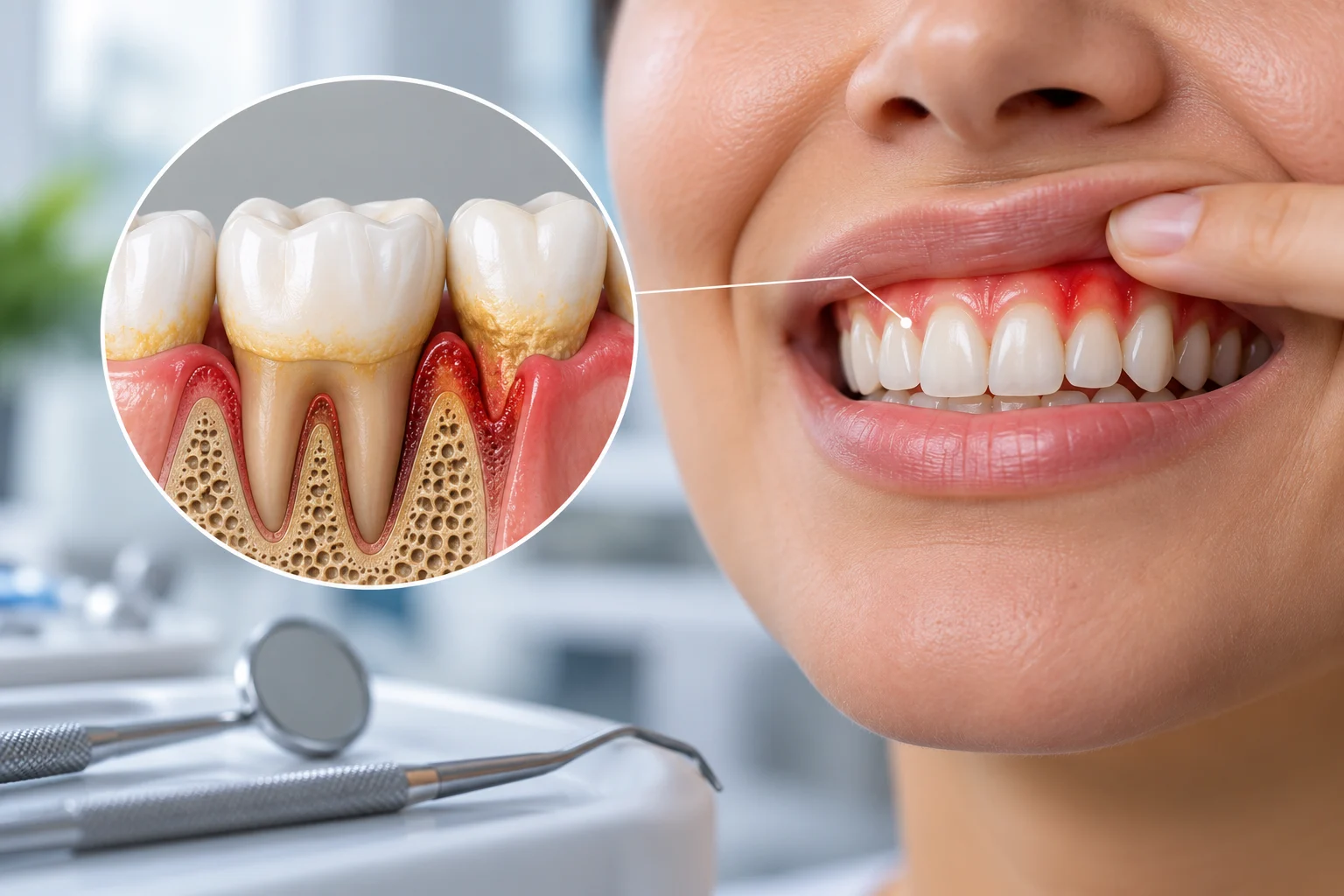
When oral hygiene practices decline, a sticky biofilm known as dental plaque begins to accumulate along the gum line. If left undisturbed, plaque hardens into tartar, providing a sanctuary for harmful bacteria to multiply. Over time, these bacteria produce toxins that trigger an immune response, leading to inflammation of the surrounding tissues. This localised immune reaction marks the onset of periodontal disease, a chronic inflammatory condition that compromises the structural integrity of the gums and underlying bone, creating a pathway for bacteria to enter the deeper systems of the body.
The Connection Between Gum Disease and Cardiovascular Health
One of the most thoroughly researched areas of oral-systemic health is the relationship between periodontal disease and cardiovascular complications. The correlation lies primarily in how the body handles chronic inflammation and bacterial migration.
Bacterial Translocation and Arterial Health
When gums become inflamed and ulcerated due to periodontitis, the microvessels within the tissue become fragile and prone to bleeding. Simple daily actions, such as chewing food or brushing, can inadvertently introduce oral bacteria directly into the bloodstream. Once inside the circulatory system, these microorganisms can attach to fatty deposits or plaques within the arteries, contributing to further irritation and narrowing of the blood vessels.
Systemic Inflammatory Response
The immune response to ongoing gum infections causes the liver to release certain proteins, such as C-reactive protein, into the blood. Elevated levels of these inflammatory markers are closely associated with an increased risk of blood clot formation, arterial stiffness, and various adverse cardiovascular events. Managing inflammation in the mouth is, therefore, a practical step toward reducing the body's overall inflammatory burden.
Bi-Directional Relationship with Diabetes Management
The link between oral health and diabetes mellitus represents a complex, two-way relationship, meaning each condition directly influences the severity and management of the other.
How Diabetes Affects Oral Tissues
Individuals diagnosed with diabetes often experience reduced salivary flow and elevated glucose levels within their saliva. This environment promotes rapid bacterial growth, making diabetic patients more susceptible to severe gum infections, dental decay, and delayed healing following oral procedures.
How Periodontal Inflammation Impacts Blood Glucose Control
Conversely, active periodontitis complicates the regulation of blood sugar levels. Chronic oral infections increase systemic insulin resistance, making it harder for the body to utilise insulin effectively. Clinical observations indicate that addressing periodontal disease through professional scaling and root planing can lead to measurable improvements in long-term blood glucose markers, supporting overall metabolic stability.
Respiratory Health and Adverse Pregnancy Outcomes
The systemic reach of oral bacteria extends beyond the circulatory and metabolic systems, presenting potential risks to respiratory function and reproductive health.
Respiratory Complications
The oral cavity sits directly above the entrance to the upper respiratory tract. In individuals with compromised immune systems or severe dental disease, fine droplets of saliva laden with oral bacteria can be accidentally inhaled into the lungs. This aspiration can lead to respiratory infections, such as aspiration pneumonia, or exacerbate pre-existing chronic obstructive pulmonary disease (COPD).
Impact on Pregnancy
Hormonal fluctuations during pregnancy naturally increase the vulnerability of the gums to inflammation, a condition frequently referred to as pregnancy gingivitis. If this condition progresses to periodontitis, the associated systemic inflammation and bacterial toxins can potentially reach the placenta. Research suggests a correlation between untreated chronic gum disease and an increased incidence of low birth weight or pre-term births, highlighting the value of maintaining oral assessments during prenatal care.
Practical Strategies for Preserving Oral and Systemic Health
Protecting general health through oral care involves a combination of consistent daily habits and structured professional oversight. Prevention remains a reliable and cost-effective approach to avoiding complex dental and systemic complications.
An effective daily oral routine should include brushing twice a day with fluoride toothpaste to reinforce enamel, along with daily flossing to clear interdental plaque from areas that toothbrushes cannot reach. Drinking adequate water throughout the day helps maintain optimal saliva production, which serves as the body's natural rinse to neutralise acids and wash away food particles.
While home care is essential, it cannot completely remove hardened tartar once it forms. Regular visits to a dental clinic are necessary for professional cleanings and early identification of potential issues. For residents looking for accessible care, visiting a local clinic like MG Dental provides an opportunity for thorough dental checks and personalised maintenance plans, ensuring that minor concerns are addressed before they develop into broader health challenges.
Frequently Asked Questions
1. How frequently should an individual schedule a professional dental review?
For most individuals with standard oral health baselines, a professional dental check and cleaning are recommended every six months. However, individuals managing specific systemic conditions, such as diabetes or a history of advanced gum disease, may require more frequent reviews to keep bacterial plaque under control and monitor tissue health closely.
2. What are the early indicators that suggest a need for a dental evaluation?
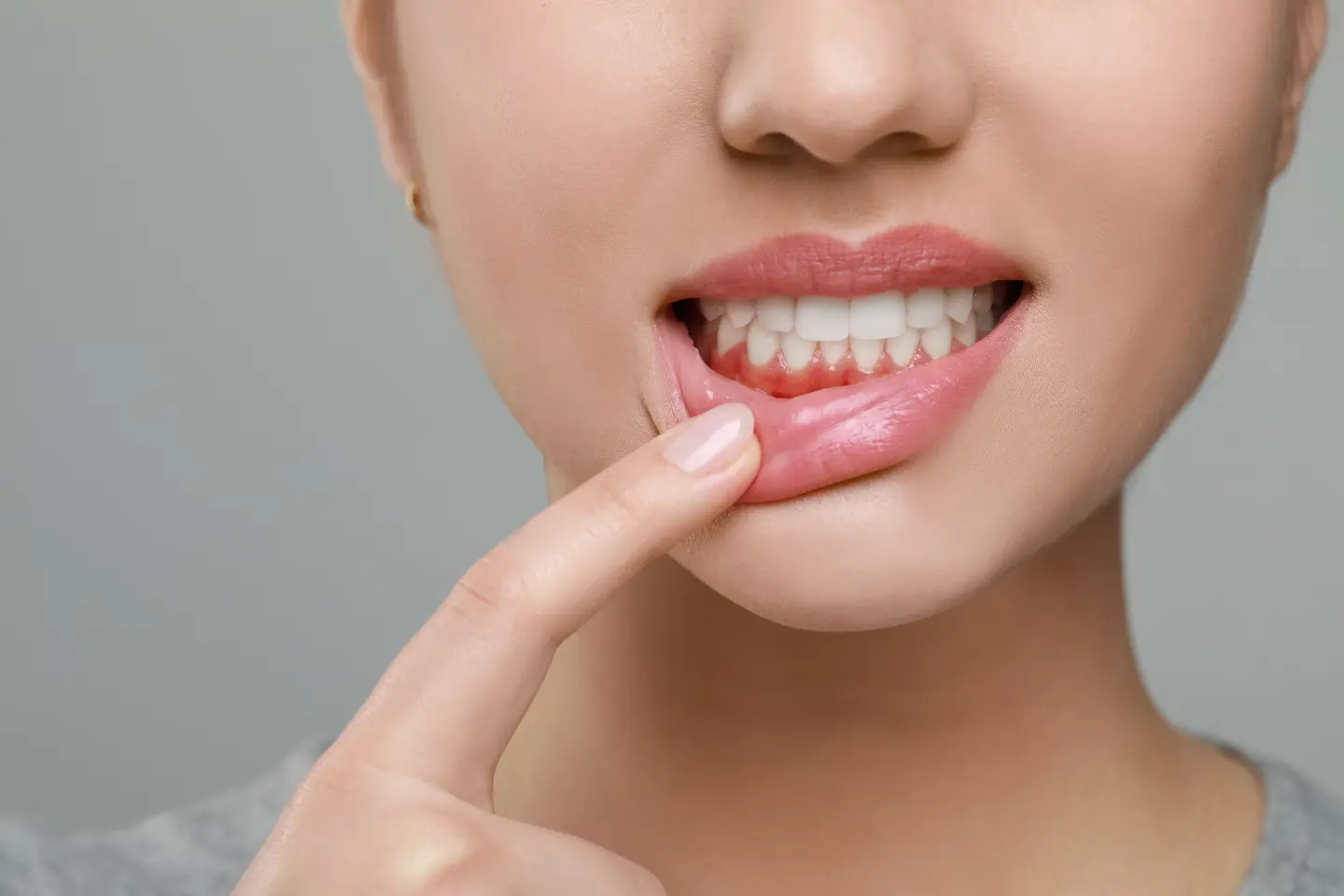
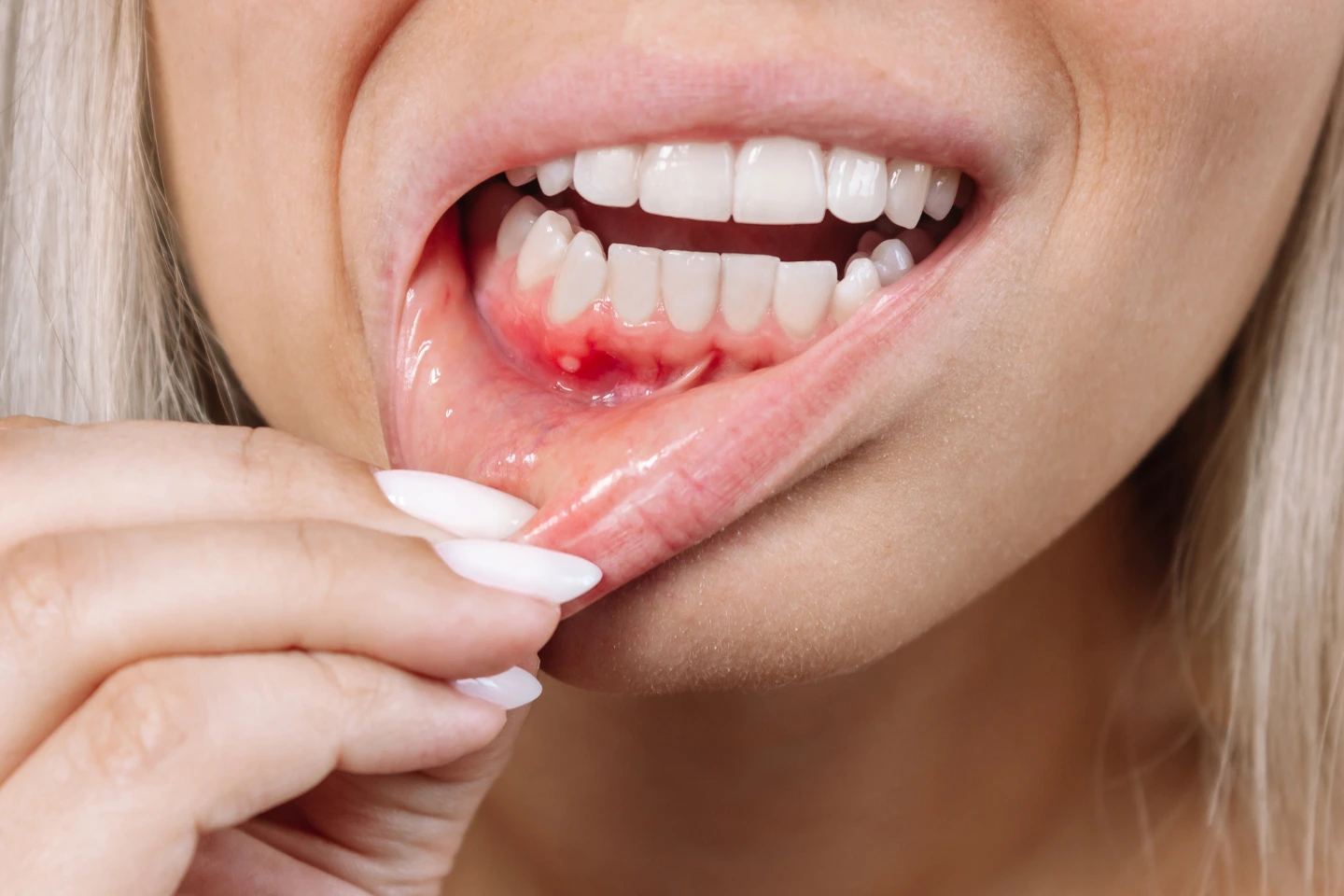
Common signs that warrant a clinical assessment include gums that bleed during brushing or flossing, persistent bad breath that does not improve with mouthwash, tooth sensitivity to hot or cold temperatures, and localised discomfort or swelling. Healthy gums should look firm and pink, and they should not bleed during regular cleaning.
3. Can changing oral care habits improve existing systemic health issues?
While improving oral care cannot cure systemic diseases independently, reducing oral inflammation helps lower the overall inflammatory stress on the body. For example, treating severe gum disease has been shown to assist in stabilising blood sugar levels in diabetic patients and reducing markers associated with arterial strain.
4. Why does saliva play such a significant role in protecting general health?
Saliva is a primary natural defence mechanism for the oral cavity. It contains essential minerals that help repair early enamel erosion, enzymes that initiate the digestive process, and antimicrobial properties that limit bacterial overgrowth. A persistent dry mouth increases the risk of rapid tooth decay and subsequent soft tissue infections.
Prioritising Your Oral and General Health Journey
Taking care of your teeth and gums is an important part of protecting your long-term general well-being. Establishing a reliable oral health routine can help minimise the risks associated with chronic systemic inflammation. If you are planning your next routine cleaning, scaling, or comprehensive oral assessment, contact us and schedule a visit with the team at MG Dental to help keep your oral health and overall wellness on a stable path.
Insights for Healthier Smiles
Explore expert tips, dental care advice, and the latest trends to keep your smile looking and feeling its best.
Request your appointment at MG Dental today.


Monday: 8 am–6 pm
Tuesday: 8 am–5 pm
Wednesday: 8 am–5 pm
Thursday: 8 am–6 pm
Friday: 8 am–5 pm
Saturday: 8 am–1 pm
Sunday: Closed


MG Dental is a modern dental clinic located at 1 Orchard Blvd, #06-9A Camden Medical, Singapore 248649, providing gentle, personalized dental care.


© 2026 MG Dental | All rights reserved | Privacy Policy | Digital Marketing by Remedo