Signs Your Wisdom Tooth May Need Removal: A Complete Guide

Wisdom teeth are the last set of back teeth to come in, usually appearing when you are between 17 and 25 years old. For some people, these teeth grow in straight and work just fine. However, many people find that their wisdom teeth do not have enough space to grow properly.
When a tooth cannot come through the gums fully or grows at a strange angle, it is called an impacted tooth. This can cause several dental problems that affect your health. At MG Dental, we believe that spotting the signs of wisdom tooth trouble early can help you get treatment before a small ache becomes a much bigger issue.
What are Wisdom Teeth?
Often called third molars, wisdom teeth are a part of our past when humans needed more chewing power for tough foods. As our jaws have become smaller over time, these teeth often get crowded out.
Because they are the last teeth to arrive, they often find that there is no room left. This lack of space causes them to get stuck under the gums or push against the teeth you already have. This is why wisdom tooth removal is one of the most common dental treatments performed.
Main Signs You May Need a Wisdom Tooth Removal
If your wisdom teeth are causing problems, you will usually notice a few warning signs. While some people feel sudden pain, others might only notice small changes. Here are the most common signs to look out for.
Constant Pain and Jaw Stiffness
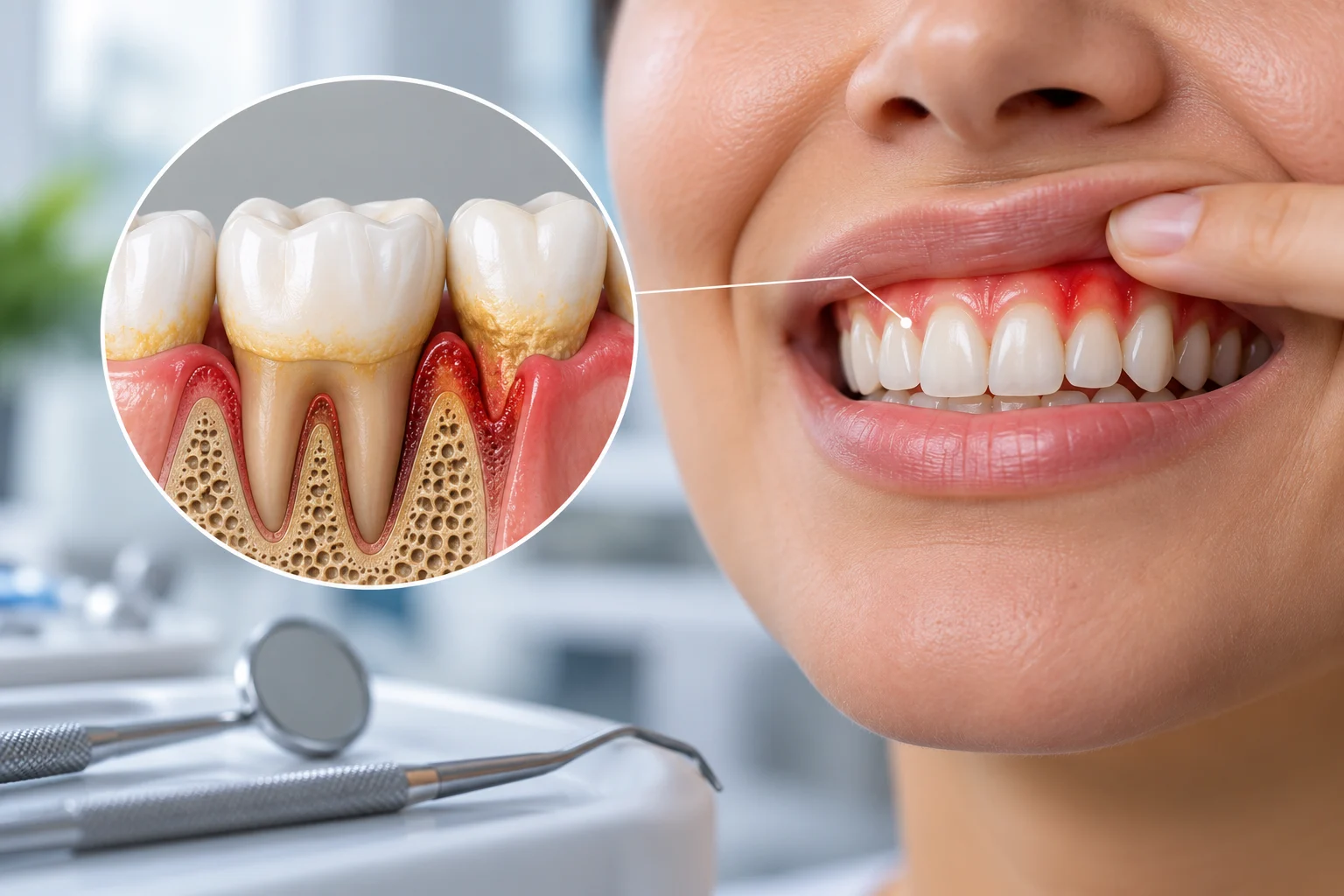
The clearest sign is pain at the very back of your mouth. This can feel like a dull ache or a sharp, throbbing pain. Since these teeth are near your jaw joints, the swelling can spread, making your jaw feel stiff or making it hard to open your mouth wide.
Swollen or Bleeding Gums
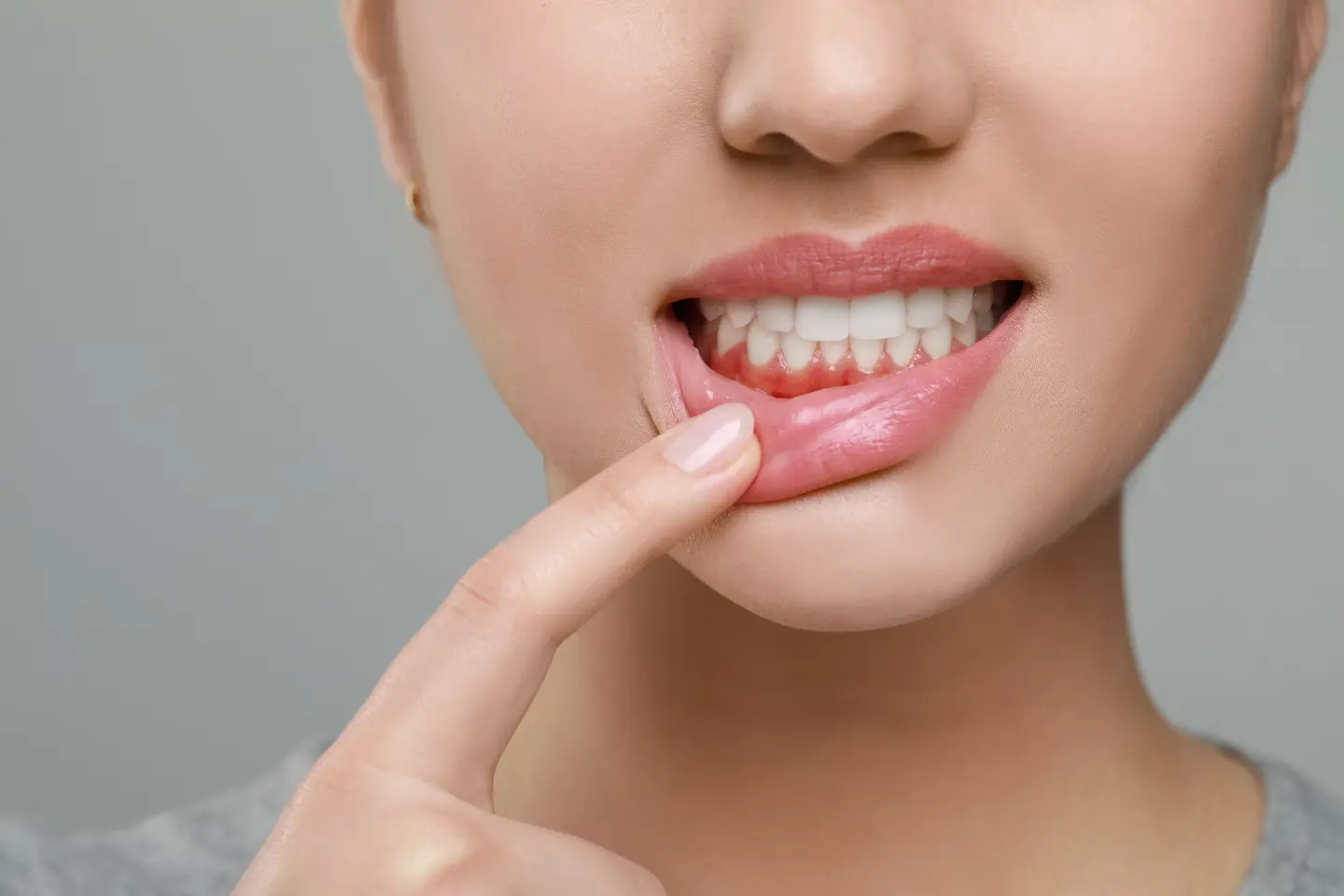
When a wisdom tooth tries to pop through the gums but gets stuck, it can create a small flap of skin. This area easily traps food and bacteria. Over time, this causes swelling. You might see that your gums look red and puffy at the back, or they might bleed when you brush your teeth.
Bad Taste or Bad Breath
If bacteria get stuck under the gum flap, an infection can start. This often creates a bad taste in your mouth and breath that smells unpleasant even after you brush or use mouthwash.
Teeth Crowding or Shifting
Even if you cannot feel the tooth moving, it might be pushing against its neighbouring teeth. If you notice your front teeth starting to overlap or feeling tighter when you floss, it could be your wisdom teeth pushing everything forward. This is a big concern if you have had braces in the past, as it can move your teeth out of place.
Sinus Problems
Upper wisdom teeth are very close to your sinuses. As these teeth grow, they can put pressure on your sinus area. This might cause sinus pain, pressure, or headaches that feel like a cold or allergies.
Why You Shouldn't Wait to Get Them Removed
Many patients ask if they can just wait for the pain to go away. While the pain might come and go, the actual problem usually stays. Getting help early at MG Dental can prevent more serious issues.
Protecting Nearby Teeth
An impacted wisdom tooth often grows at an angle, heading straight for the roots of the tooth next to it. This constant pressure can damage the enamel of your healthy teeth, leading to cavities or root problems.
Avoiding Cysts
Sometimes, a small sac of fluid can form around a stuck wisdom tooth. This is called a cyst. If left alone, a cyst can damage the jawbone and the roots of nearby teeth.
Handling Infections
Infections in the mouth do not always stay in one spot. An infection around a wisdom tooth can spread to your throat or neck if it gets bad. By removing the tooth, you get rid of the source of the bacteria.
The Removal Process at MG Dental
We know that the idea of dental surgery can be a bit scary. However, modern methods make wisdom tooth removal a very standard and straightforward procedure.
Step 1: The Check-up and X-ray
The first step is a full exam. We use digital X-rays to see exactly where the tooth is sitting and how close it is to your nerves. This helps us plan the safest way to take it out.
Step 2: The Procedure
The treatment is usually done with local numbing, so you won't feel any pain. You might feel some pressure, but the area will be completely numb.
Step 3: Healing and Aftercare
After the tooth is out, we will give you clear steps to follow. Most people find that healing takes about three to five days. We recommend resting and eating soft foods like porridge, soup, or mashed potatoes.
Frequently Asked Questions
Q: Do all wisdom teeth need to be removed?
A: Not always. If a wisdom tooth comes in fully, is easy to clean, and fits your bite without causing pain, it can stay. We only suggest taking them out if they are causing trouble or are likely to cause problems later.
Q: What is the best age to have them removed?
A: It is usually easier to remove them in your late teens or early twenties. At this age, the roots aren't fully grown, and the bone is less dense, which usually means you heal faster.
Q: How long does the surgery take?
A: A simple removal can take about twenty minutes. If the tooth is tucked deep under the gums, it might take forty-five minutes to an hour.
Q: Is it okay to exercise after the surgery?
A: It is best to avoid hard exercise for about three to five days. Moving too much can cause the area to bleed or feel more painful.
Conclusion: Don't Wait for the Pain
At MG Dental, we focus on making sure you are comfortable and well-cared for. If you think your wisdom teeth are starting to cause trouble, the best thing to do is book a check-up. Contact MG Dental today to set up your consultation.
Insights for Healthier Smiles
Explore expert tips, dental care advice, and the latest trends to keep your smile looking and feeling its best.

Request your appointment at MG Dental today.


Monday: 8 am–6 pm
Tuesday: 8 am–5 pm
Wednesday: 8 am–5 pm
Thursday: 8 am–6 pm
Friday: 8 am–5 pm
Saturday: 8 am–1 pm
Sunday: Closed


MG Dental is a modern dental clinic located at 1 Orchard Blvd, #06-9A Camden Medical, Singapore 248649, providing gentle, personalized dental care.


© 2026 MG Dental | All rights reserved | Privacy Policy | Digital Marketing by Remedo